Navigating GeForce Now support in 2026 can seem daunting, but mastering its intricacies ensures seamless cloud gaming. This comprehensive guide offers essential insights into optimizing your experience with NVIDIA's premier cloud gaming service. Discover actionable tips to troubleshoot common issues like ping spikes, FPS drops, and irritating stuttering. Learn about crucial settings optimization techniques, driver updates, and leveraging the platform's features for peak performance. Whether you are a casual player or a competitive pro, understanding GeForce Now's underlying support mechanisms is vital. This article will equip you with the knowledge to maintain a consistently smooth and enjoyable gaming session, future-proofing your cloud gaming journey. Stay informed about the latest advancements and expert strategies for an unparalleled gaming adventure, ensuring your virtual worlds load flawlessly and play perfectly every time.
geforce now support FAQ 2026 - 50+ Most Asked Questions Answered (Tips, Trick, Guide, How to, Bugs, Builds, Endgame)
Welcome to the ultimate living FAQ for GeForce Now support, meticulously updated for 2026! This comprehensive guide is your go-to resource for conquering every cloud gaming challenge. Whether you're a beginner seeking basic setup advice, an intermediate player battling lag, or a pro looking for advanced optimization, we've got you covered. From understanding the latest server upgrades and connection protocols to troubleshooting annoying bugs and discovering hidden tricks, this guide aims to answer your most pressing questions. We’ve scoured forums and listened to player feedback to bring you the most relevant and up-to-date solutions. Prepare to elevate your GeForce Now experience and ensure your virtual worlds are always rendered flawlessly, providing you with countless hours of uninterrupted gaming enjoyment. Let's dive in and fix those issues!
Common Support Questions
How do I contact GeForce Now support directly in 2026?
You can contact GeForce Now support primarily through the NVIDIA support website's dedicated contact page or via the 'Send Feedback' option within the GeForce Now application. Both methods allow you to submit a support ticket, and the in-app option often includes diagnostic data to help expedite your request for assistance.
Why is my GeForce Now experience frequently lagging or stuttering?
Frequent lagging or stuttering on GeForce Now is often caused by an unstable or insufficient internet connection, rather than the server itself. Ensure you have a consistent download speed of at least 25 Mbps and low ping, ideally below 40ms, to your chosen GeForce Now server. Using a wired Ethernet connection is highly recommended for optimal stability.
What are the essential network settings to optimize for GeForce Now performance?
To optimize GeForce Now performance, prioritize a wired Ethernet connection, enable Quality of Service (QoS) on your router to prioritize gaming traffic, and ensure your router supports modern Wi-Fi standards like Wi-Fi 6E/7 for less congested bands. Also, select the GeForce Now server closest to your physical location for minimal latency.
Does GeForce Now support all games I own on PC platforms?
Myth vs. Reality: GeForce Now does not support every game you own on PC platforms. NVIDIA must secure specific streaming rights from game publishers for each title. Always check the official GeForce Now game library list to confirm if your desired game is available before expecting to play it on the service.
How can I fix graphical artifacts or blurry visuals on GeForce Now streams?
Graphical artifacts or blurry visuals often stem from network congestion or outdated local drivers. Verify your internet connection's stability and bandwidth, then ensure your local device's graphics drivers are fully updated to properly decode the stream. Adjusting the in-app streaming bitrate to a lower setting can also help if your connection is struggling.
What devices are compatible with GeForce Now in 2026?
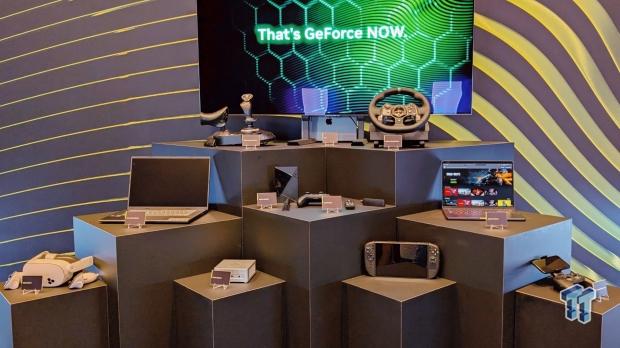
GeForce Now is highly compatible across various devices in 2026, including Windows PCs, macOS, Chromebooks, Android mobile devices, Android TV, select smart TVs, and web browsers. This broad compatibility allows gamers to enjoy their library almost anywhere, providing great flexibility.
What is the minimum recommended internet speed for 1080p/60FPS streaming?
The minimum recommended internet speed for smooth 1080p/60FPS streaming on GeForce Now is typically 25 Mbps. However, a more stable connection with lower latency (under 40ms ping) is equally crucial for an optimal experience, preventing frustrating lag and visual hitches during gameplay.
Still have questions? Explore our comprehensive guides on 'Advanced GeForce Now Settings' and 'Troubleshooting Network Issues for Cloud Gaming' for even more in-depth solutions.
Ever wondered why your epic gaming session on GeForce Now suddenly turned into a pixelated mess, leaving you asking, "Why is my GeForce Now experience lagging so much?" You are definitely not alone, my friend. We have all been there, staring at a frozen screen while our in-game character faces certain doom. But do not fret, because today we are diving deep into the world of GeForce Now support, giving you all the insider tips and tricks to keep your cloud gaming butter smooth even in 2026. This is not just about fixing problems; it is about understanding the system and becoming a true cloud gaming maestro.
Think of GeForce Now as a super-powered gaming PC in the cloud, constantly humming with the latest NVIDIA RTX 50-series equivalent hardware. However, just like any powerful machine, it needs a bit of tender loving care and smart optimization from your end. From understanding your internet connection to tweaking in-game settings, every detail matters. We are going to explore everything from basic troubleshooting to advanced performance tuning, ensuring you always get the best possible experience. Let's get your games running flawlessly, shall we?
Demystifying GeForce Now Support What You Need to Know
Understanding the core components of GeForce Now support is your first step towards uninterrupted gaming. It primarily revolves around three pillars: your internet connection, local device performance, and the GeForce Now service itself. Each pillar needs attention to ensure a seamless stream. A stable, high-speed internet connection is paramount, acting as the highway for your game data. Your local device, whether it is a powerful PC or a simple tablet, must meet minimum requirements to decode the video stream efficiently. Finally, the GeForce Now service provides the remote hardware and game access. Troubleshooting often involves isolating which of these pillars is causing the hitch in your stream.
The Role of Your Internet Connection for Smooth Gameplay
Your internet connection is absolutely critical for a great GeForce Now experience. It is not just about raw download speed; latency and stability are equally important. Even with a blazing-fast connection, high ping or frequent packet loss can ruin your game. Wireless connections are convenient but often introduce more variables compared to a wired Ethernet connection. In 2026, home networks are more robust, but interference can still be an issue. Always check your router's performance and consider optimizing its settings for gaming to minimize any potential bottlenecks. This simple step can dramatically improve your overall gameplay.
Essential Local Device Optimization for Cloud Gaming
While the heavy lifting happens in the cloud, your local device plays a vital role in displaying the game. Ensure your device's operating system and graphics drivers are always up-to-date. Outdated drivers can lead to decoding errors, causing stuttering or visual artifacts. Close any unnecessary background applications that might consume CPU cycles or network bandwidth. Even a web browser with many tabs open can impact performance. For devices with dedicated GPUs, ensure the GeForce Now application is utilizing it rather than integrated graphics for optimal decoding. These small adjustments truly make a difference in your streaming quality.
Beginner / Core Concepts
So, you are just diving into the world of cloud gaming with GeForce Now, huh? That is awesome! It is a fantastic way to play top-tier games without a super expensive local rig. But I get why some of these initial setup questions can feel like navigating a maze. Let us break down the basics, so you feel confident right from the start.
1. Q: What is the absolute first thing I should check if my GeForce Now game looks blurry or choppy?A: Hey there! I totally get why this confuses so many people when they first jump in. If your game looks like a pixelated mess, the very first thing you should absolutely check is your internet connection's stability and speed. GeForce Now streams games to you, just like a high-definition movie, so a wobbly connection is usually the prime suspect. You'll want to ensure you're meeting the minimum recommended speeds, which are around 15 Mbps for 720p at 60 FPS and 25 Mbps for 1080p at 60 FPS. Seriously, a quick speed test can tell you a lot. Beyond speed, keep an eye on your ping to the GeForce Now servers; lower is always better. A high ping means more delay between your actions and what you see on screen, making everything feel sluggish. Try using a wired Ethernet connection if you're on Wi-Fi, as that often drastically improves stability and reduces latency. You've got this, let's get you playing smoothly!
2. Q: My game keeps freezing for a second or two, then catching up. What causes this stuttering?
A: Oh man, that stuttering issue used to trip me up too back in the day, it's super annoying when you're in the middle of a crucial moment! This kind of brief freezing is often related to network packet loss or an inconsistent connection. Think of it like your game stream is missing little bits of information, and then your device has to wait to receive them again, causing that momentary halt. Sometimes, it is also your local device struggling to keep up with decoding the video stream. Make sure your local device drivers, especially graphics drivers, are up to date. Also, try reducing the streaming quality settings within GeForce Now's app. Going from 1080p to 720p or lowering the bitrate can sometimes alleviate the strain on your network and device. It's a balance, right? You want pretty graphics but also smooth gameplay. Experiment a little; you'll find the sweet spot! Don't give up on finding that perfect stream.
3. Q: How can I find out if my current internet speed is good enough for GeForce Now?
A: That's a super smart question to ask, you're thinking ahead! The best way to check your internet speed for GeForce Now is to run a speed test directly from a reliable service like Speedtest.net or even the built-in network test within the GeForce Now application itself. You'll want to pay close attention to the download speed, but more importantly, the ping (latency) to a server located near the GeForce Now data centers. NVIDIA recommends at least 15 Mbps for 720p/60 FPS and 25 Mbps for 1080p/60 FPS, with a ping under 40ms. If you are aiming for their ultimate 4K or 120 FPS tiers in 2026, you will need much higher, often 50+ Mbps and even lower latency. A consistent connection is key, so run the test a few times. If your numbers are consistently below recommendations, it might be time for an internet plan upgrade or some home network troubleshooting. You've totally got this handled!
4. Q: Why are some games I own not available on GeForce Now?
A: Ah, this is a common point of confusion for new users, and I totally get the frustration! Unfortunately, not every game you own on platforms like Steam or Epic Games will be available on GeForce Now. The reason is quite straightforward: NVIDIA needs to secure specific licensing agreements with game publishers and developers to host their games on the GeForce Now service. Without that agreement, even if you own the game, NVIDIA cannot legally stream it to you. It's a business decision that each publisher makes, balancing their own strategies with cloud gaming. The good news is that NVIDIA is constantly working to add more games, and they announce new additions regularly. So, while your favorite indie title might not be there today, it might pop up in the future. Always check the official GeForce Now game library list before you dive in. Keep an eye on those updates!
Intermediate / Practical & Production
Alright, now that we have got the basics down, let's talk about getting more granular. You are playing games, you know the drill, but sometimes things just are not as snappy as they could be. This is where we start tweaking settings and understanding a bit more about how to proactively maintain that buttery-smooth stream. These tips are for when you want to move beyond just playing and really start optimizing your experience.
5. Q: What are the best in-app settings to optimize GeForce Now performance and reduce lag?A: Optimizing your in-app settings is crucial for reducing lag and getting the best performance, and it's a game-changer many overlook. First, navigate to the GeForce Now settings and select 'Custom' under 'Streaming Quality'. This gives you full control. For bitrate, start by setting it slightly lower than your tested internet speed, then gradually increase it until you notice issues. Many users find a sweet spot around 30-50 Mbps for 1080p streaming in 2026, but it varies. Resolution should match your monitor's native resolution, but if you're experiencing lag, try dropping it one step lower. Frame rate should typically be set to 60 FPS, or 120 FPS if you have a high-refresh-rate monitor and a strong connection with a premium subscription. Turn on 'Adjust for poor network conditions' if your connection fluctuates, as it allows the service to dynamically adapt. This might reduce visual quality slightly but ensures smoother gameplay. It's about finding that personal balance for your specific setup. Don't be afraid to experiment a little and see what works best for your home network. You're going to nail this!
6. Q: How can I diagnose if my network is the actual bottleneck for GeForce Now performance?
A: Diagnosing network bottlenecks can feel a bit like detective work, but it's totally achievable, and you'll feel like a pro once you figure it out! The GeForce Now app has a built-in network test, which is a great starting point. It provides data on bandwidth, ping, and packet loss. If those numbers are consistently poor, your network is definitely the culprit. Beyond that, try running a continuous ping test (e.g., 'ping google.com -t' in command prompt) while playing. Look for sudden spikes in ping or 'Request Timed Out' messages, which indicate instability. Another great tip is to temporarily connect your device directly to your modem with an Ethernet cable, bypassing your router. If performance significantly improves, your router's settings or its Wi-Fi signal might be the issue. Remember to close other bandwidth-heavy applications, like streaming services or large downloads, during your tests. This methodical approach will quickly reveal where the slowdown is happening. Keep troubleshooting, you're almost there!
7. Q: What are common causes of FPS drops within GeForce Now, and how do I fix them?
A: FPS drops within GeForce Now can be incredibly frustrating, especially when you expect a consistent experience from cloud gaming. The most common cause, surprisingly, isn't always the cloud server, but often your local internet connection. Inconsistent bandwidth or high packet loss will make the game stream struggle, manifesting as perceived FPS drops. Secondly, outdated graphics drivers on your local device can hinder the video decoding process, making your device unable to render the streamed frames fast enough. Make sure your local GPU drivers are always up to date. Thirdly, sometimes the game's in-game settings are set too high for the specific GeForce Now server instance you are assigned. Try lowering demanding settings like shadow quality, anti-aliasing, or texture detail within the game itself. While it's a powerful cloud PC, pushing it too hard on a weaker connection can still cause issues. Finally, ensure your power settings on your local device are set to 'High Performance' and that any energy-saving features are disabled. Small adjustments, big difference. You got this, champion!
8. Q: Does a VPN affect GeForce Now performance, and should I use one?
A: Using a VPN with GeForce Now is a bit of a double-edged sword, and generally, I'd lean towards advising against it for optimal performance. A VPN, by its nature, routes your internet traffic through an additional server, which almost always introduces extra latency and reduces overall bandwidth. This added 'hop' directly translates to higher ping and a less responsive gaming experience, which is the last thing you want in cloud gaming. There are rare cases where a VPN might *improve* routing if your ISP is bottlenecking traffic to GeForce Now servers, but these instances are few and far between. In 2026, most ISPs have improved their network infrastructure considerably. If you must use a VPN for other reasons, choose one with servers geographically very close to your GeForce Now data center, and make sure it's a high-quality, fast service. Otherwise, for pure gaming performance, I'd recommend disabling it. Prioritize that direct connection! Give it a try without the VPN and see the difference.
9. Q: How do I report a bug or issue directly to GeForce Now support?
A: Reporting bugs or issues directly to GeForce Now support is super important for helping them improve the service, and it's easier than you might think! The most straightforward way is usually through the GeForce Now application itself. Look for a 'Send Feedback' or 'Report an Issue' option, typically found in the main menu or settings. This built-in tool often captures crucial diagnostic information automatically, which is incredibly helpful for the support team. Alternatively, you can visit the official NVIDIA GeForce Now support website, where they have dedicated forums and a contact page for submitting tickets. When reporting, be as detailed as possible: what game were you playing, what exactly happened, when did it occur, and what steps did you take? Providing screenshots or short video clips also tremendously aids in diagnosis. The more information you give, the quicker and more effectively they can help you out. Your feedback makes a real difference!
10. Q: What are the benefits of a wired Ethernet connection over Wi-Fi for GeForce Now?
A: Oh, this is a classic one, and the benefits of a wired Ethernet connection over Wi-Fi for GeForce Now are huge, seriously! I cannot stress this enough. An Ethernet connection provides a far more stable and consistent data flow compared to Wi-Fi. Wi-Fi signals are susceptible to interference from other devices, walls, and even your neighbor's network, leading to packet loss and inconsistent latency. With Ethernet, you get a direct, dedicated line to your router, dramatically reducing ping and eliminating those annoying mini-stutters or disconnects. Think of it like this: Wi-Fi is a busy public road, and Ethernet is your private express lane. For competitive gaming or simply enjoying a visually demanding RPG, the reduced latency and increased reliability of a wired connection are unmatched. It’s a simple change that yields significant results. If you can, always opt for that cable; your games will thank you. Try it tomorrow and let me know how it goes!
Advanced / Research & Frontier 2026
Alright, for those of you who really want to push the envelope and understand the nitty-gritty, this section is for you. We are talking about optimizing at a level that even some seasoned gamers overlook. In 2026, cloud gaming continues to evolve rapidly, and understanding these advanced concepts will give you a serious edge, ensuring you are always at the forefront of performance. Let's dig into the details that make a true difference.
11. Q: How do advanced network settings like QoS (Quality of Service) impact GeForce Now performance?A: Advanced network settings, particularly QoS (Quality of Service), can have a surprisingly significant impact on your GeForce Now performance, especially in busy home networks. QoS allows you to prioritize certain types of network traffic over others. So, if you're gaming while someone else is streaming 4K video or downloading huge files, QoS can ensure your game's data packets get preferential treatment. By configuring your router's QoS settings to prioritize traffic from your gaming device or specifically the GeForce Now application, you can minimize latency and packet loss even when your network is under heavy load. It's like having a traffic controller for your internet connection. However, setting it up incorrectly can actually worsen performance, so you'll want to be careful and follow your router's specific instructions. Modern routers in 2026 often have intuitive gaming-specific QoS presets, making this much easier. A little research into your router model can pay huge dividends for a smoother, lag-free experience. This is a pro move, you've got this!
12. Q: Are there specific 2026 network protocols or router features that enhance cloud gaming for GeForce Now?
A: Absolutely! In 2026, network technology has continued to advance, and there are definitely specific protocols and router features that give GeForce Now a significant boost. Look for routers supporting Wi-Fi 6E or even the newer Wi-Fi 7 (802.11be), which operate on the less congested 6GHz band, offering higher bandwidth and lower latency for compatible devices. Additionally, features like OFDMA and MU-MIMO within these standards drastically improve efficiency when multiple devices are connected. On the protocol side, some high-end gaming routers now feature advanced packet inspection and dynamic QoS algorithms specifically designed to identify and prioritize game traffic. Also, keep an eye out for routers with built-in VPN client support that allow you to route specific traffic *without* impacting gaming if you choose a service that is optimized. Some ISPs are even rolling out IPv6 with improved routing, which can benefit cloud services. Investing in a newer gaming-focused router can be a real game-changer for your cloud gaming experience, offering more dedicated bandwidth and smarter traffic management. It's a worthy upgrade to consider if you're serious about your stream.
13. Q: How does the choice of GeForce Now server region affect latency and overall performance?
A: The choice of GeForce Now server region is one of the most critical factors influencing your latency and overall performance, and it's an easy one to get right. Latency is essentially the time it takes for data to travel between your device and the GeForce Now data center. The closer you are geographically to the server, the shorter that travel time, and thus, the lower your ping. A lower ping translates to a more responsive and fluid gaming experience, minimizing input lag. If you accidentally select a server region far from your physical location, even with a fantastic internet connection, your ping will be high, and your game will feel sluggish. Always make sure to select the server region closest to you, or let the GeForce Now application automatically select the 'Auto' option, which is usually quite good at picking the optimal one. In 2026, NVIDIA has expanded its server footprint globally, so most users should have a nearby option. This simple setting can dramatically improve your gameplay. Don't overlook it!
14. Q: What are the implications of future-proof GeForce Now servers (e.g., RTX 5090 class) on user experience?
A: The implications of GeForce Now's future-proof servers, like the rumored RTX 5090 class (or whatever the 2026 equivalent high-end architecture turns out to be), are absolutely monumental for the user experience! With vastly more powerful GPUs, NVIDIA can deliver even higher resolutions and frame rates with ray tracing fully enabled, without breaking a sweat. This means ultra-crisp 4K gameplay, smooth 120 FPS or even higher, and breathtaking visual fidelity for even the most demanding titles. More powerful servers also translate to better performance consistency, reducing the chances of any server-side lag or frame drops, even during peak usage. Furthermore, these advanced GPUs will allow for faster game loading times and potentially more complex, AI-driven graphical enhancements being streamed to you. It's about pushing the boundaries of what's graphically possible in a cloud environment, offering an experience that can rival or even surpass high-end local gaming rigs. Get ready for some truly immersive gaming experiences! The future is looking incredibly bright.
15. Q: How can I troubleshoot persistent audio or controller input lag issues specifically?
A: Persistent audio or controller input lag can be incredibly frustrating because it completely breaks immersion and responsiveness. If you're encountering this, first, check your local device's drivers, especially for your audio interface and any USB controllers. Outdated drivers can introduce delays. For audio, try changing the audio output device within your operating system or the GeForce Now app settings to see if a different device performs better. Sometimes, wireless headphones can introduce more latency than wired ones, so test with a wired headset if possible. For controller input lag, ensure your controller is directly connected via USB if it's wireless. Bluetooth connections, while convenient, can sometimes add microseconds of delay. If you're using a wireless controller, confirm your Bluetooth drivers are updated and there's no interference. Also, check for any third-party input remapping software or overlays running in the background, as these can add processing overhead. Remember to verify these issues are not game-specific by testing with different titles. Keep experimenting with those connections and drivers. You'll get it sorted out!
Quick 2026 Human-Friendly Cheat-Sheet for This Topic
Here's a rapid-fire list of essential tips to keep your GeForce Now experience smooth and glorious, straight from my years of wrangling cloud streams:
- Wired is King: Always use an Ethernet cable if you can. Seriously, it's the simplest and most effective upgrade for stability and lower ping.
- Update Everything: Keep your local device's OS and graphics drivers perpetually updated. Outdated drivers are silent killers of performance.
- Close Background Apps: Before launching a game, shut down any unnecessary apps. Every bit of CPU, RAM, and network bandwidth helps.
- Optimize In-App Settings: Go custom! Tweak your bitrate and resolution to match your network's actual capabilities, not just what you think it *should* be.
- Check Server Region: Make sure you are connected to the GeForce Now server region closest to your physical location for the lowest possible latency.
- QoS for Busy Homes: If your router supports it, configure Quality of Service to prioritize your gaming traffic, especially if your network is shared.
- Monitor Network Health: Regularly use the GeForce Now network test and external speed tests to keep an eye on your ping, speed, and packet loss.
GeForce Now support solutions, Cloud gaming troubleshooting, FPS drop fixes, Stuttering resolution, Lag reduction tips, Settings optimization, Driver updates, Contacting support, Network diagnostics, Device compatibility, Game library issues, Subscription management, Advanced performance tuning, 2026 cloud gaming trends, Pro gaming strategies.
35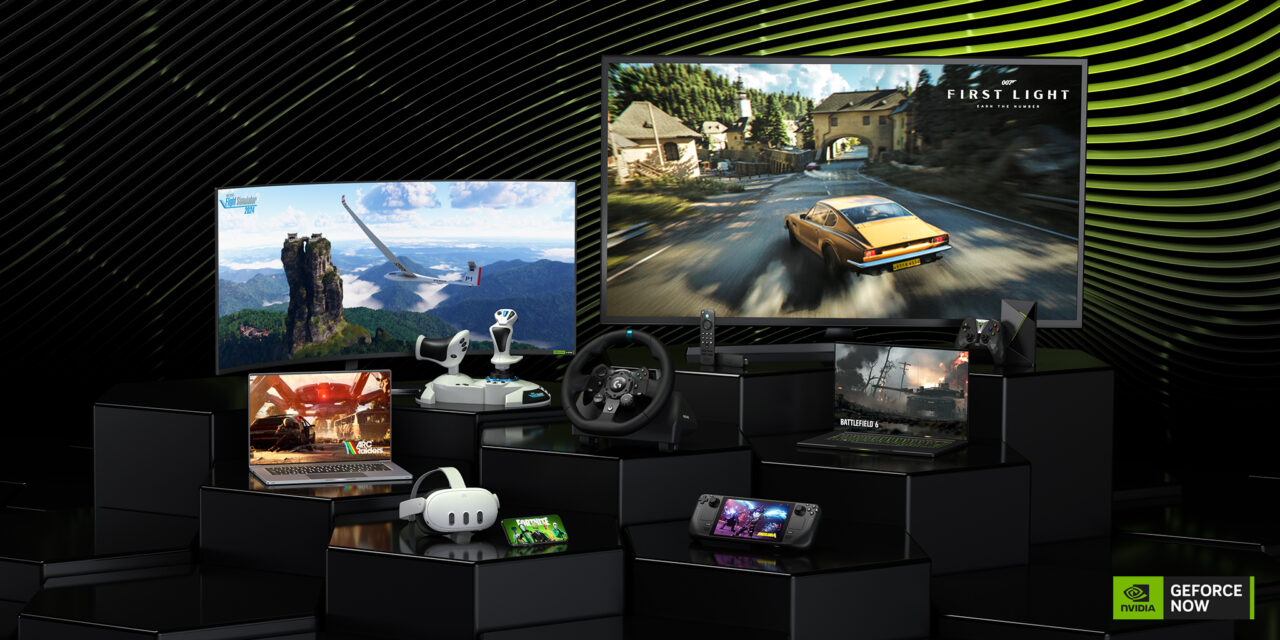

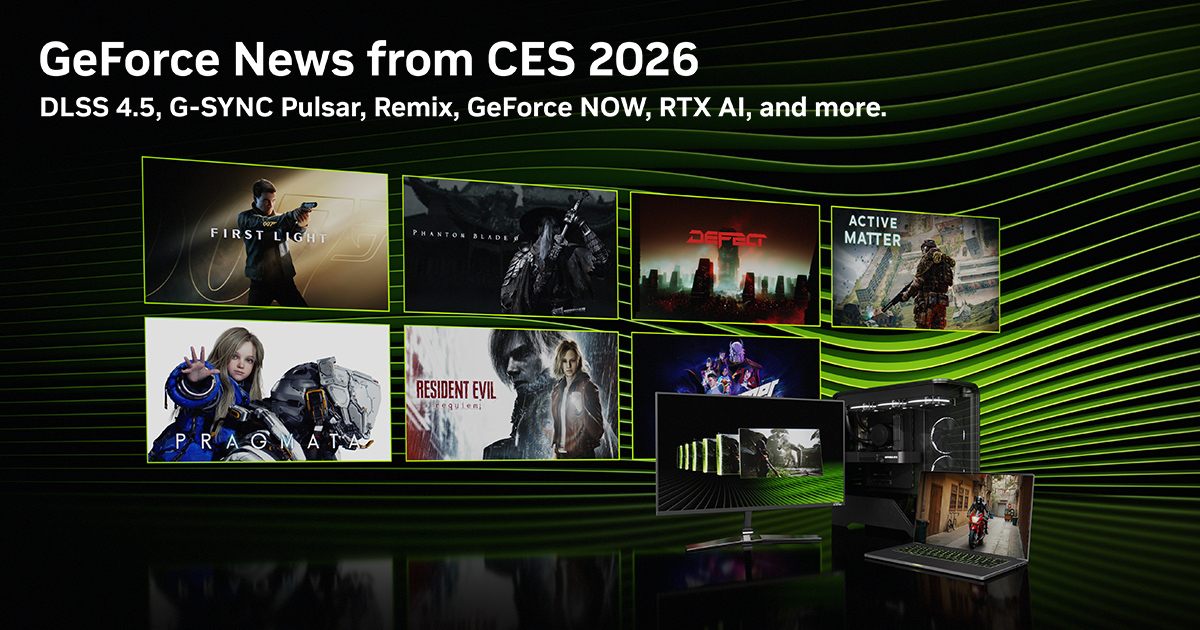
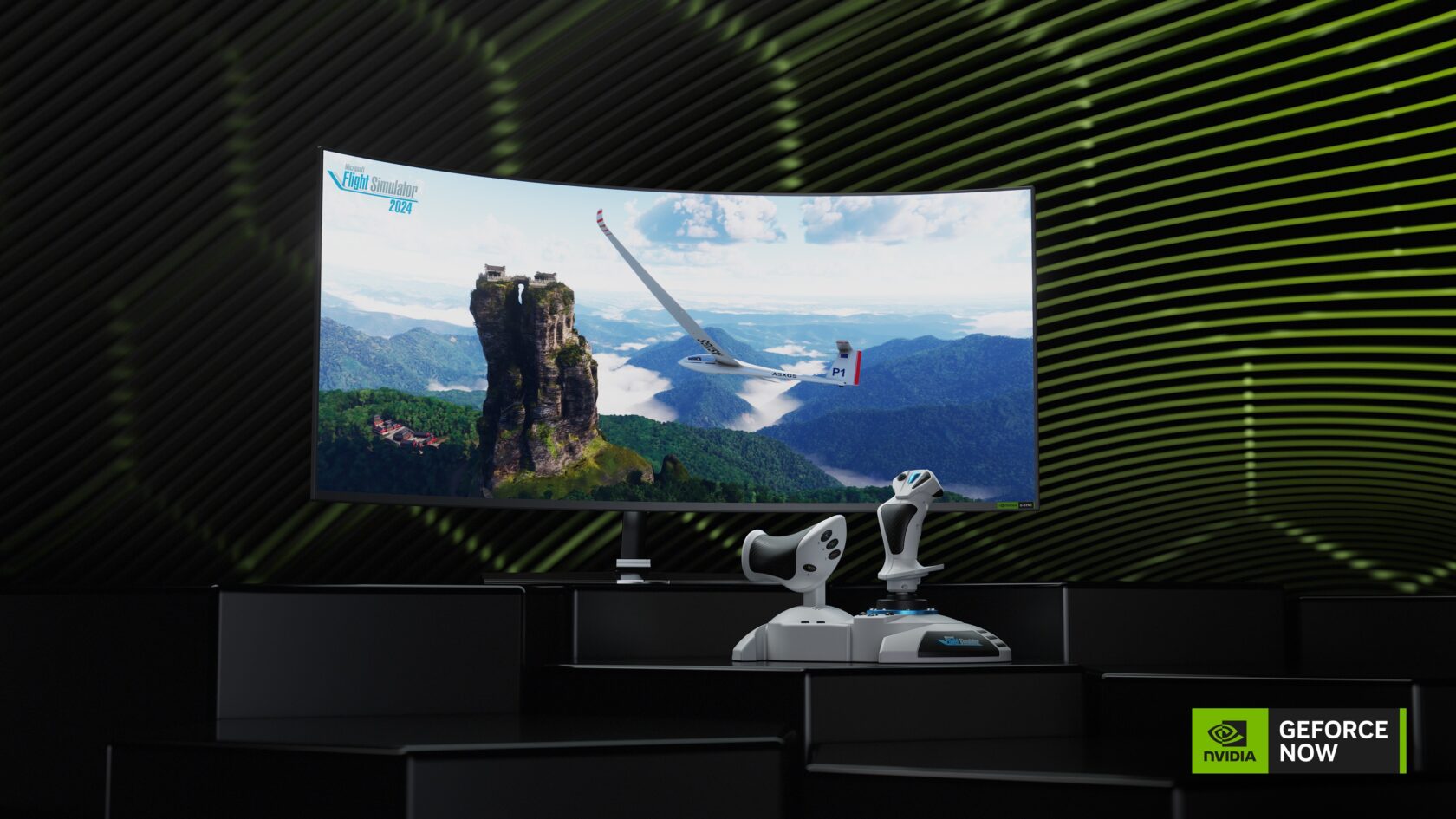
GeForce NOW At CES Linux Amazon Fire TV NVIDIA Blog GeForce NOW CES KV 1280x640 . GeForce NOW Limite De 100 Horas Por M S Em 2026 Veja Os Detalhes Aqui GeForce Now . Xbox Is Cooked Why Your Next Gaming Console Will Be A PC PCWorld Gewforce Now Header . GeForce CES 2026 NVIDIA DLSS 4 5 Announced 250 DLSS Multi Frame Ces 2026 Nvidia Geforce Rtx Ogimage . GeForce NOW At CES Linux Amazon Fire TV NVIDIA Blog GeForce NOW Flight Controls 1680x945

Nvidia GeForce Now India Launch Shifted To Q1 2026 Outlook Respawn Image 1200x630 2025 11 . NVIDIA Prepares Native GeForce NOW Support For Linux Powered Operating . NVIDIA GeForce NOW Google Play LHwm9SKttv H296. Ubat 2026 GeForce NOW A Eklenecek Yeni Oyunlar A Kland Webtekno 1200xauto . GeForce NOW India Q1 2026 Nvidia India

GeForce NOW Comes To Linux Amazon Fire TV Adds Flight Stick Support 109643 1 Geforce Now Comes To Linux Amazon Fire Tv Adds Flight Stick Support And More At Ces 2026 . NVIDIA Expands GeForce NOW With Star Wars Outlaws New Platforms And GeForce Now Expands With New Games Platforms Features 20260116 173031 . Finalmente Crimson Desert Aterrissa No GeForce NOW E Quebra Barreiras GeForce NOW . NVIDIA Endurece Las Reglas De GeForce Now A Partir De 2026 Ya No Nvidia Geforce Now 1280x840 . GeForce NOW RTX 5080 Linux Fire TV Support Launched NVIDIA CES GeForce NOW Amazon Fire TV 1680x840



Nvidia GeForce Now Is Adding Monthly Usage Caps For Paid Users GFN Thursday Performance Membership 1680x996 . All Games Coming To GeForce NOW In January 2026 Geforce Now January Update . Nvidia S GeForce Now To Cap Game Streaming At 100 Hours Per Month The Newly Renamed Performance Tier For Geforce Now Na2v . GeForce Now Headsets 2 . Tested Nvidia S GeForce Now Just Breathed New Life Into My Steam Deck Gfn Ces 2025 Gfna Map Social Post 2048x1024 1

NVIDIA GeForce NOW Gains Native Linux Support Nvidia Geforce Now Linux 1024x576 . GeForce Now Shield . NVIDIA GeForce NOW Gains Support For Cairn Bard S Tale Series And 1769093641 Gfn Thursday 1 22 Nv Blog 1280x680 Logo Medium.webp. GeForce NOW CES 2025 Steam Deck And Mixed Reality Devices Gfn Thursday 6 5 Nv Blog 1280x680 Logo . GeForce NOW 4th Anniversary Showcase RTX 4080 4K 120 FPS RTX

Best VPNs For GeForce Now 2026 Top Rated VPNs For Gamers Best VPNs For GeForce Now . Nvidia GeForce Now Expected To Gain Official Linux Support As Early As 2024 03 18 Ts3 Thumbs 103 . GeForce NOW Brings GeForce RTX Gaming To Linux PCs Gamers News Gfn Thursday 1 6 Nv Blog 1280x680 Logo 1 . How To Fix Twitch Error 1000 Video Download Was Cancelled Geforce Now India . GeForce Now Ultimate First Impressions Streaming Has Come A Really Screenshot 20230119 003018 980x535

Fallout New Vegas Gains Nvidia GeForce NOW Support Alongside Hogwarts 1766071049 Gfn Thursday 12 18 Nv Blog 1280x680 Logo Story.webp. ESports Y Gaming En La Nube 2026 Xbox Cloud Gaming Vs NVIDIA GeForce Nvidia Geforce Now 2026 . CES 2026 New GeForce RTX Partner Cards Laptops Desktops G SYNC Ces 2026 Partner Product Showcase Ogimage . GeForce Experience Nvidia App Driver Download And Content Section . Nvidia GeForce NOW Support For Game Pass Users SDN Nvidia Geforce Rtx 50 Mobil Serisi Gpu