Are you a busy adult gamer balancing work family and life Wondering how much is addicted gaming and if your habits cross the line This comprehensive guide dives into understanding gaming addiction helping you identify the signs maintain healthy habits and ensure gaming remains a fun relaxing part of your life rather than a source of stress or conflict We address common concerns like balancing screen time with responsibilities optimizing your gaming experience without overdoing it and recognizing when it might be time to adjust your playstyle or seek support We provide practical actionable advice for staying current with gaming trends managing in game purchases and enjoying the social aspects of gaming without letting it consume your life Get ready to reclaim balance and enhance your well being while still enjoying your favorite digital worlds.
What are the top 5 natural questions about how much is addicted gaming?
1. How do I know if I'm spending too much time gaming?
2. What are the signs that gaming is becoming a problem?
3. Can gaming actually impact my job or family life?
4. What can I do to balance gaming with my responsibilities?
5. Where can I find help if I think I have a gaming addiction?
Is there a specific amount of gaming that officially defines addiction?
A: No there isn't a strict hourly threshold for what officially defines gaming addiction It's less about the 'how much' in terms of hours and more about the 'how' and 'why' – meaning the impact gaming has on your life and your control over it If gaming persistently interferes with your job family sleep or finances despite your attempts to cut back that's a key indicator of problematic engagement.
How can I tell if my gaming habits are truly problematic for my adult life?
A: For busy adults balancing work and family problematic gaming often manifests when you consistently prioritize gaming over essential duties like work deadlines childcare or household responsibilities You might also notice increased irritability when you can't play losing interest in other hobbies or experiencing sleep deprivation because of late-night sessions These signs suggest gaming is crossing a healthy boundary.
What strategies can busy adult gamers use to maintain a healthy balance?
A: The best strategies involve setting clear boundaries and time management tools Schedule specific gaming slots in your day or week and stick to them Communicate these times with your family Use alarms to signal when to stop and plan non-gaming activities to ensure a diverse life Prior Prioritizing real-world tasks and social interactions before logging on can make a big difference.
Can engaging in social gaming actually contribute to problematic habits?
A: Yes social aspects of gaming can be a double-edged sword While connecting with friends online is great the pressure to participate in group activities raids or maintain competitive standings can lead to excessive play You might feel obligated to log on for extended periods to not let down your team or guild blurring the line between healthy socializing and unhealthy commitment.
Are there any self-assessment tools to evaluate my gaming habits?
A: Absolutely Many reputable health organizations and addiction services offer online self-assessment questionnaires designed to help you reflect on your gaming behaviors These tools typically ask about your control over gaming the time you spend the impact on your life and any feelings of distress when you can't play They provide a good starting point for understanding if your habits warrant further attention.
What are the potential mental health impacts of excessive gaming on adults?
A: Excessive gaming can significantly affect adult mental health leading to increased anxiety depression and social isolation when real-world interactions are neglected It can also contribute to poor self-esteem if gaming becomes the sole source of accomplishment and to sleep disorders due to irregular schedules or late-night exposure to screens.
When should a family member consider professional help for an adult gamer?
A: Consider professional help when an adult gamer's habits consistently cause significant distress or impairment in major life areas such as work relationships or physical health despite attempts to reduce play If the gamer denies a problem or is unwilling to change a professional intervention or seeking advice from a therapist specializing in behavioral addictions can be a crucial next step.
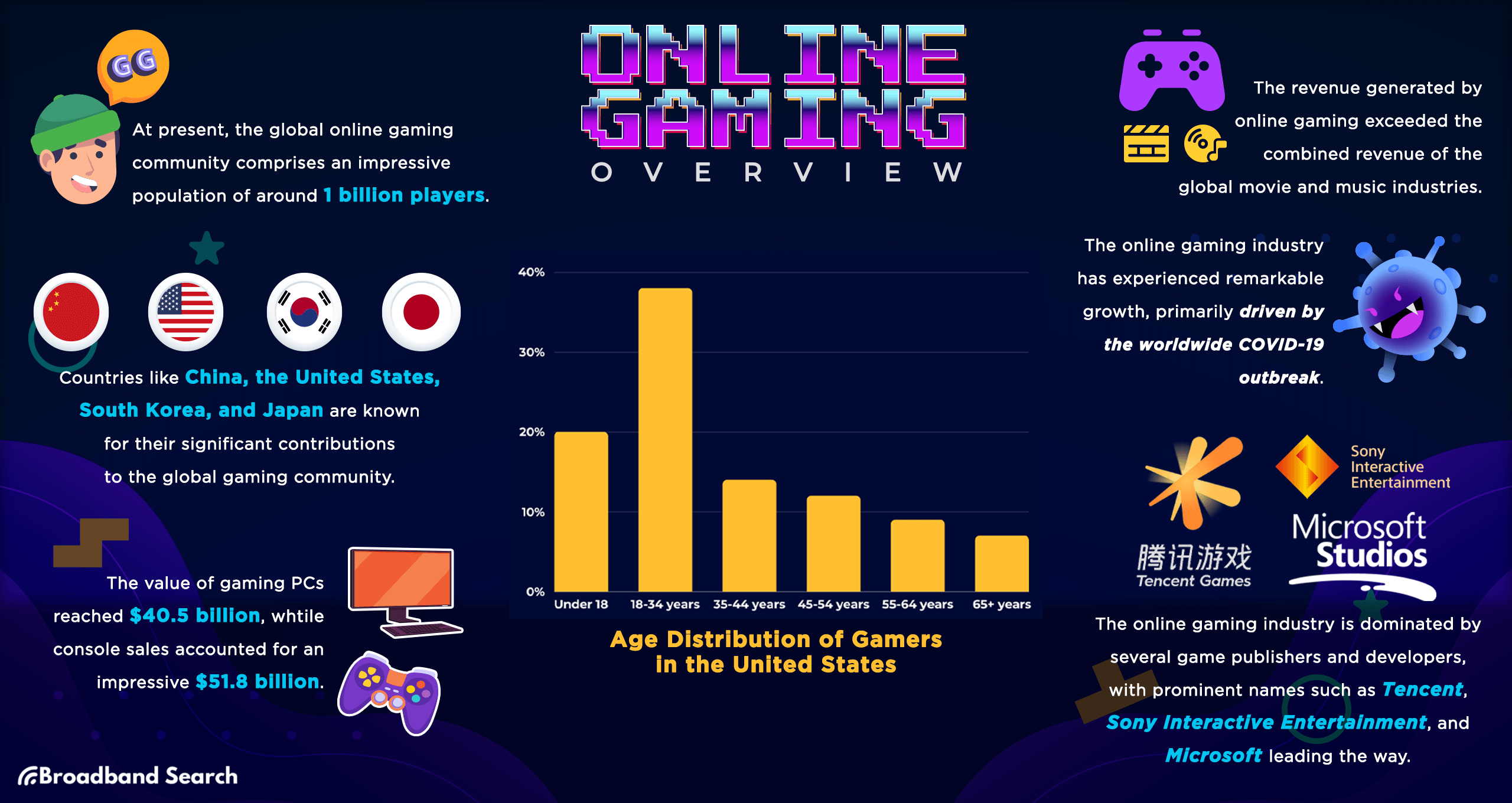
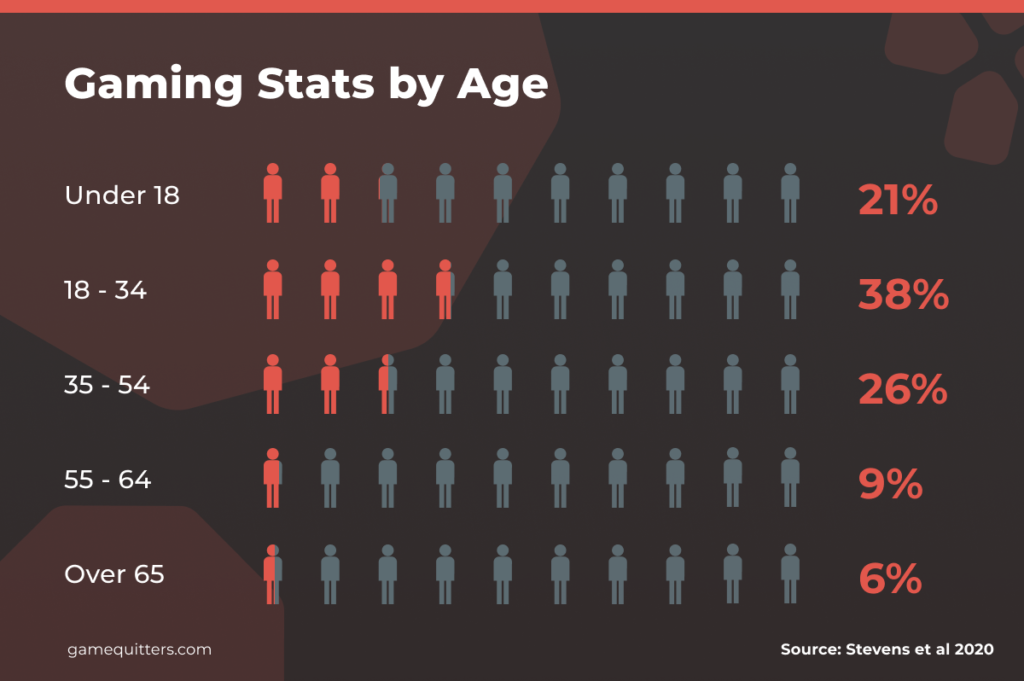
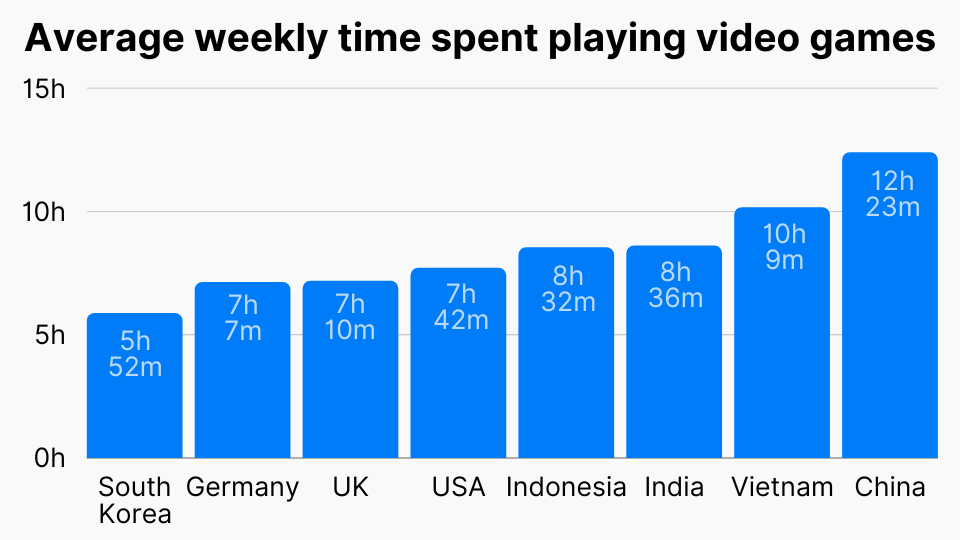
Hey fellow gamers Ever find yourself unwinding with a new game only to realize hours have flown by Maybe you are an average age 36 gamer juggling a demanding job family commitments and still trying to hit that raid or climb that ranked ladder We love gaming for the relaxation the fun the skill building and the social connections it offers But there is a quiet concern that often lingers in the background how much is addicted gaming and am I even close to that line It is a real question especially when 87 percent of US gamers play regularly often clocking in 10 or more hours a week and mobile gaming continues its dominance.
You are not alone in wondering about this Most of us want to enjoy our passion responsibly without it spilling over into our real-world responsibilities and relationships This article is your friendly guide to understanding what constitutes excessive or problematic gaming providing practical insights and actionable strategies to keep your digital adventures fun and healthy We will tackle everything from identifying the subtle signs to balancing your gaming with real life ensuring you stay in control and get the most out of your valuable gaming time.
How Much Gaming Is Considered Normal for Adults?
For most adult gamers in the US who balance jobs and families a few hours of gaming each day or several longer sessions on weekends is quite normal The key here is balance and impact on your life Recent trends show many adult gamers like you fit gaming into busy schedules often enjoying social and cooperative games on various platforms including mobile devices during commutes or breaks It is about how gaming integrates into your life without causing distress or neglecting other duties
Normal gaming means you can step away when needed still find joy in other activities and maintain your responsibilities without issues If your gaming habits are flexible and do not negatively affect your work sleep social life or financial situation then you are likely within a healthy range for passionate adult gamers.
What Are the Real Signs of Problematic Gaming?
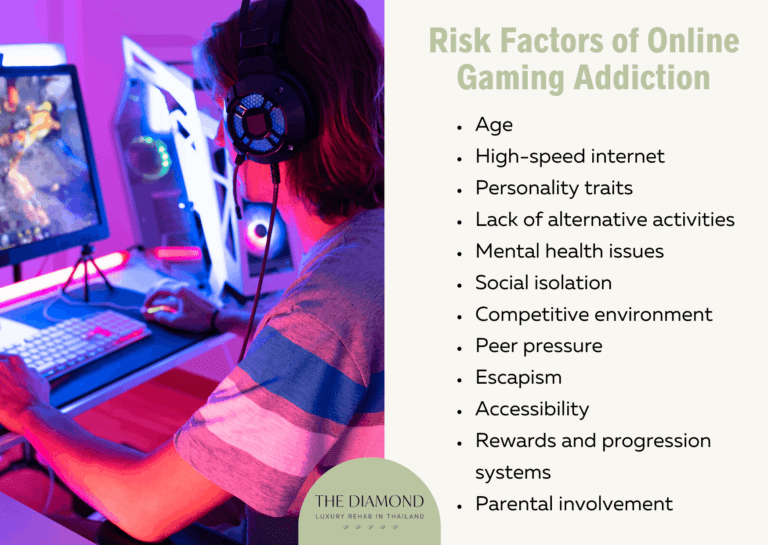
Identifying problematic gaming isnt about how many hours you play but rather the *impact* it has on your life It goes beyond just enjoying a game Common signs include a persistent preoccupation with gaming even when not playing an increasing tolerance where you need more and more game time to feel satisfied and withdrawal symptoms like irritability or anxiety when unable to play.
Other red flags are using gaming to escape real-life problems lying about your gaming habits to family or friends and experiencing negative consequences such as poor job performance financial strain or neglected relationships If you find yourself consistently prioritizing gaming over essential duties or feeling guilty about your play time it might be signaling an issue.
Can Gaming Actually Impact My Real-World Responsibilities?
Absolutely When gaming becomes excessive it can significantly impact your real-world responsibilities Imagine missing work deadlines neglecting household chores or struggling to be present with your family because your mind is constantly on your next game session This is a common pain point for many adult gamers who genuinely want to balance their hobbies with life but find themselves slipping.
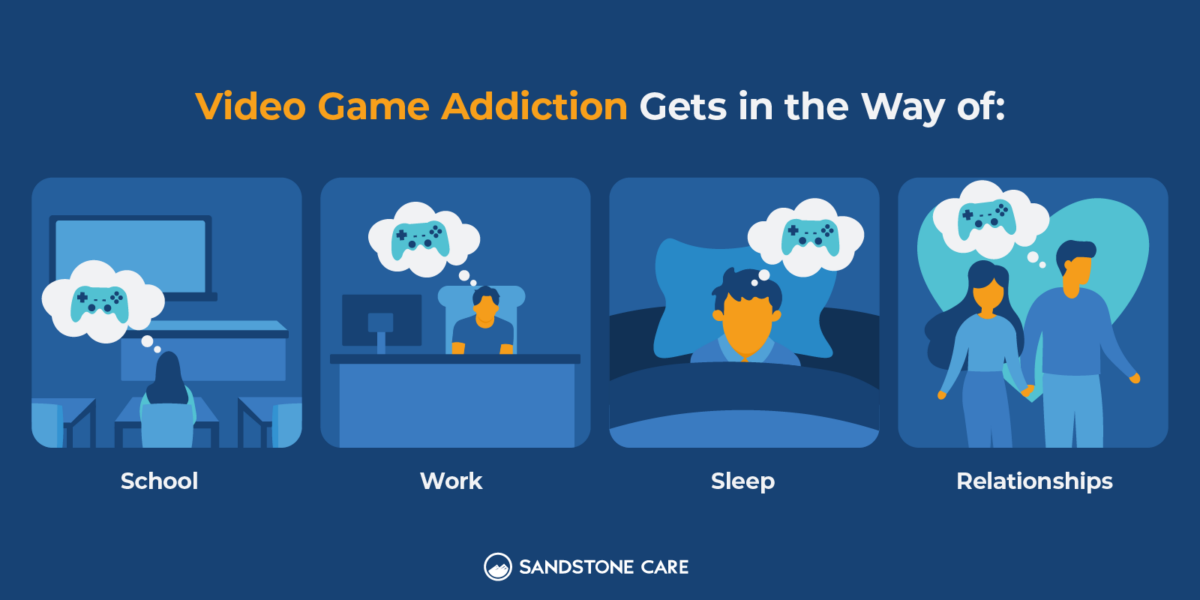
Excessive gaming can lead to sleep deprivation affecting your concentration and productivity at work It can also strain relationships as partners or children might feel neglected When gaming consistently takes precedence over essential tasks and personal connections it moves from being a harmless hobby to a potential problem area.
How Do I Balance Gaming with My Job and Family Life?
Balancing gaming with a demanding job and family life is crucial and totally achievable The first step is to establish clear boundaries and schedules Consider setting specific game times that do not conflict with work family meals or sleep For example you might allocate an hour after the kids are asleep or a dedicated block on a weekend afternoon.
Communicate these boundaries with your family so everyone understands when you are available and when you are gaming Prioritize responsibilities like work tasks and family time before launching into a gaming session Using tools like phone timers or parental control apps can help manage your own screen time effectively Remember gaming can be a fantastic way to unwind but it should complement not compromise your real-life commitments.
What Healthy Gaming Habits Can I Adopt?
Adopting healthy gaming habits is key to ensuring gaming remains a positive part of your life Here are some practical tips that work for busy adults
Set Time Limits: Decide on a reasonable amount of daily or weekly gaming time and stick to it Use alarms or in-game timers to remind you.
Schedule Breaks: Take frequent breaks during longer sessions Stand up stretch hydrate and give your eyes a rest every hour or so.
Diversify Hobbies: Ensure gaming is just one of many enjoyable activities in your life Engage in other hobbies exercise or spend time outdoors.
Prioritize Sleep: Avoid late-night gaming sessions that cut into your sleep Adequate rest is vital for overall health and productivity.
Socialize In and Out of Game: While social gaming is great make sure you are also maintaining real-world friendships and family connections.
Review Spending: Be mindful of in-game purchases and microtransactions Set a budget to avoid overspending.
When Should I Consider Seeking Help for My Gaming Habits?
If you find that despite your best efforts gaming continues to negatively impact your life seeking help is a sign of strength and self-awareness Consider professional help if you experience significant distress when not gaming if your relationships are severely strained if your job performance is suffering or if you feel powerless to control your gaming habits.
Therapists specializing in behavioral addictions or mental health professionals can provide strategies and support There are also online communities and support groups where you can connect with others facing similar challenges Remember asking for help is the first step towards regaining control and ensuring a balanced fulfilling life.
Are There Specific Game Types That Lead to More Addiction?
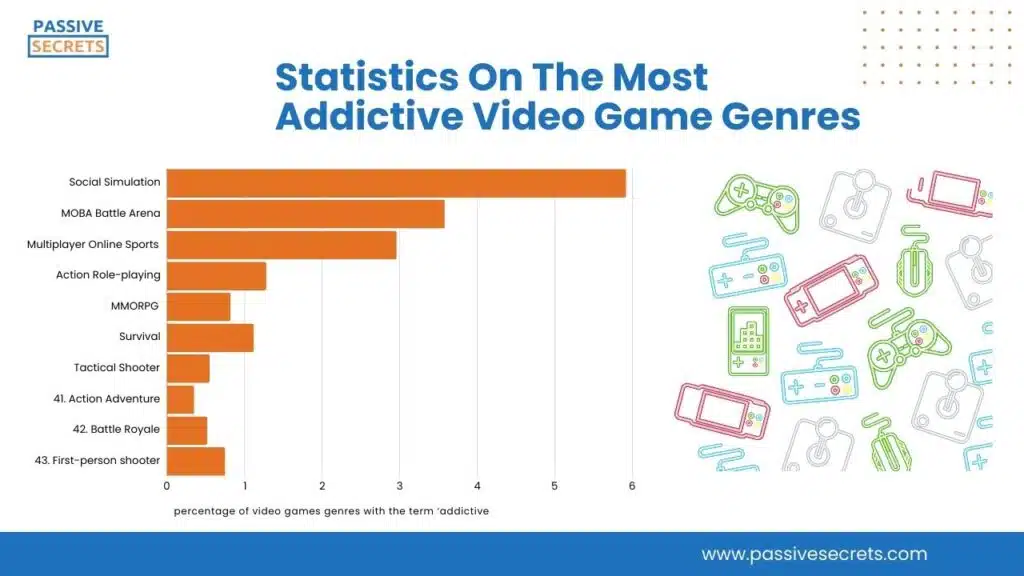
While any game can become problematic when misused certain genres are often associated with higher potential for excessive engagement Games with endless progression systems competitive multiplayer modes like many popular esports titles or those with strong social elements (think persistent online worlds or guild-based games) can be particularly sticky.
The constant updates new content seasons and social pressures to keep up with friends can make it hard to log off Free-to-play games with microtransactions also capitalize on psychological hooks that encourage continuous play and spending However it is crucial to remember that the game itself is not inherently addictive it is the individual's relationship with the game and how it fits into their life that determines if it becomes problematic.
How Can I Support a Friend or Family Member with Excessive Gaming?
Supporting someone with excessive gaming requires patience understanding and a non-judgmental approach Start by expressing your concerns calmly and specifically focusing on the behaviors and impacts you observe rather than labeling them as an addict Encourage open communication about their gaming habits and what they enjoy about gaming.
Suggest alternative activities or encourage them to join you in other hobbies Offer practical help like planning non-gaming outings or helping them find resources if they express a desire to change Avoid nagging or shaming which can make them defensive Instead focus on positive reinforcement for any steps they take towards balance and encourage professional help if their habits are significantly impacting their well-being and relationships.
What Role Do Social Aspects Play in Excessive Gaming?
Social aspects play a huge role in both healthy and problematic gaming For many adult gamers online friends and communities provide a vital sense of connection camaraderie and shared purpose In games like MMORPGs or competitive team-based titles there's often a strong social pressure to participate in raids tournaments or daily activities to support your guild or team.
This desire to not let down teammates can be a powerful motivator for logging on and staying online longer But it can also blur the line between healthy social engagement and obligation It's important to recognize when social gaming shifts from genuine connection to a feeling of being trapped or pressured to play beyond what you're comfortable with Establishing boundaries even with online friends is crucial for maintaining control and ensuring gaming remains a source of enjoyment not stress.
How Can I Enjoy Gaming Without It Taking Over My Life?
The secret to enjoying gaming without it taking over your life lies in conscious control and mindful engagement Treat gaming like any other enjoyable hobby something you choose to do rather than feel compelled to do Prioritize your core responsibilities and relationships first then integrate gaming as a reward or a way to relax.
Experiment with different game types Perhaps a single-player story-driven game offers a satisfying experience without the endless grind of an MMO Or maybe a cozy game provides relaxation without intense competitive pressure Remember gaming is meant to be fun and enriching By actively managing your time setting clear boundaries and staying aware of your motivations you can ensure your digital adventures enhance your life without consuming it.
So there you have it fellow gamers Understanding how much is addicted gaming isnt about judgment it is about empowerment and balance By being aware of the signs setting healthy boundaries and prioritizing your real-world life you can continue to enjoy the incredible world of gaming without it becoming a problem Your passion for gaming can thrive alongside a fulfilling and balanced life.
What is your biggest gaming challenge when it comes to balancing it with life Comment below and share your strategies!
FAQ Section
Q: Is gaming addiction a recognized medical condition?
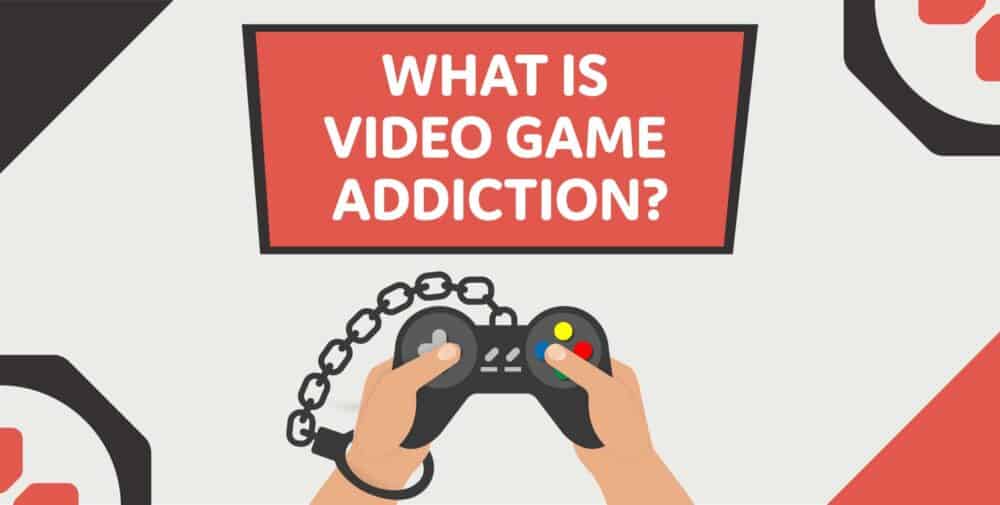
A: Yes the World Health Organization (WHO) recognized Gaming Disorder as a mental health condition in 2018 It is characterized by impaired control over gaming increasing priority given to gaming over other activities and continuation or escalation of gaming despite negative consequences.
Q: How many hours of gaming per day is considered excessive?
A: There is no strict hour count as it varies by individual However if gaming consistently consumes more than 3-4 hours daily and negatively impacts sleep work school or social interactions it may be considered excessive or problematic.
Q: Can gaming addiction be treated?
A: Yes gaming addiction can be effectively treated through various therapies such as Cognitive Behavioral Therapy CBT support groups and lifestyle adjustments The goal is to help individuals regain control over their gaming habits and re-establish a healthy balance in their lives.
Q: What are the long-term effects of excessive gaming on adults?
A: Long-term effects can include chronic sleep deprivation leading to health issues strained relationships job loss financial problems reduced physical activity contributing to health issues and mental health concerns like increased anxiety and depression.
Q: How do I talk to my spouse about their excessive gaming?
A: Approach the conversation with empathy and specific examples of how their gaming affects you and your shared life Focus on the impact on the relationship and suggest finding solutions together rather than accusatory language.
Q: Are mobile games as addictive as console or PC games?
A: Mobile games can be just as potentially problematic as console or PC games often more so due to their accessibility free-to-play models and frequent reward systems They are designed to be played anywhere anytime making them easy to overindulge in.
Understanding gaming addiction Identifying signs of excessive gaming Balancing gaming with real life responsibilities Healthy gaming habits for adults Seeking support for problematic gaming Impact of gaming on mental well being Social aspects of gaming addiction
35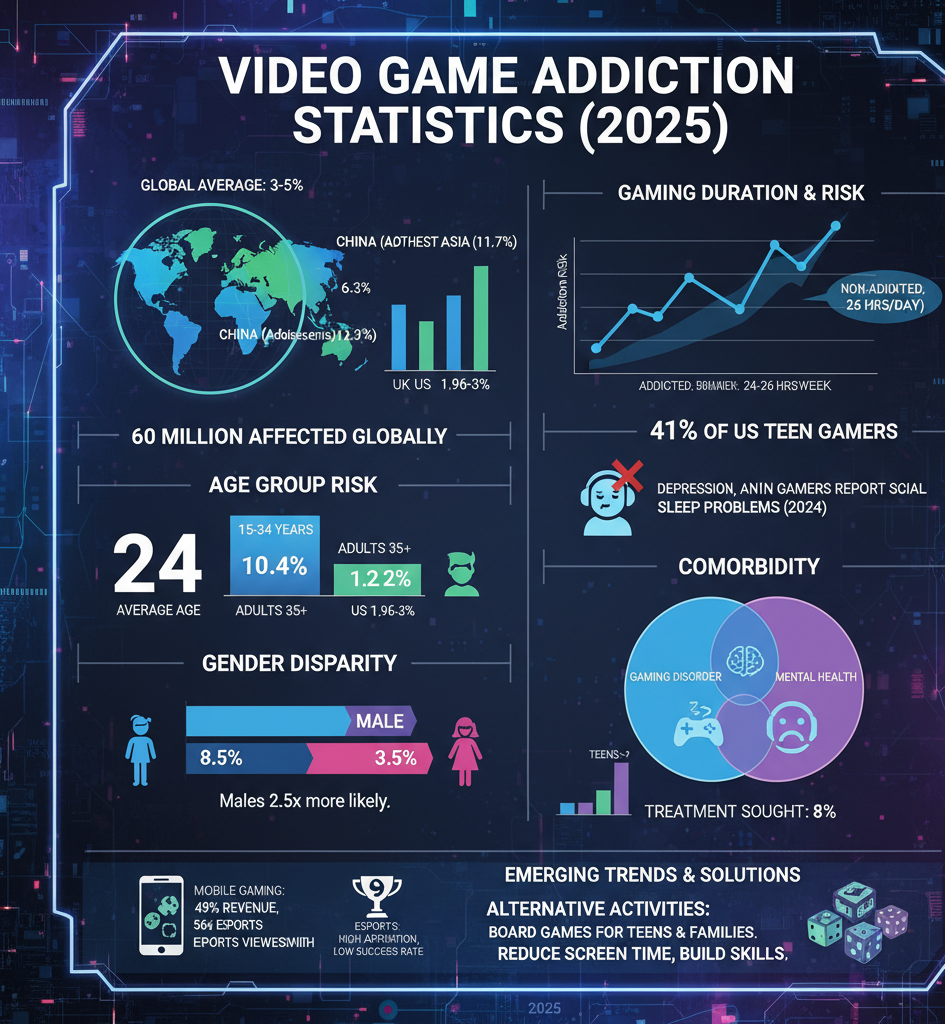
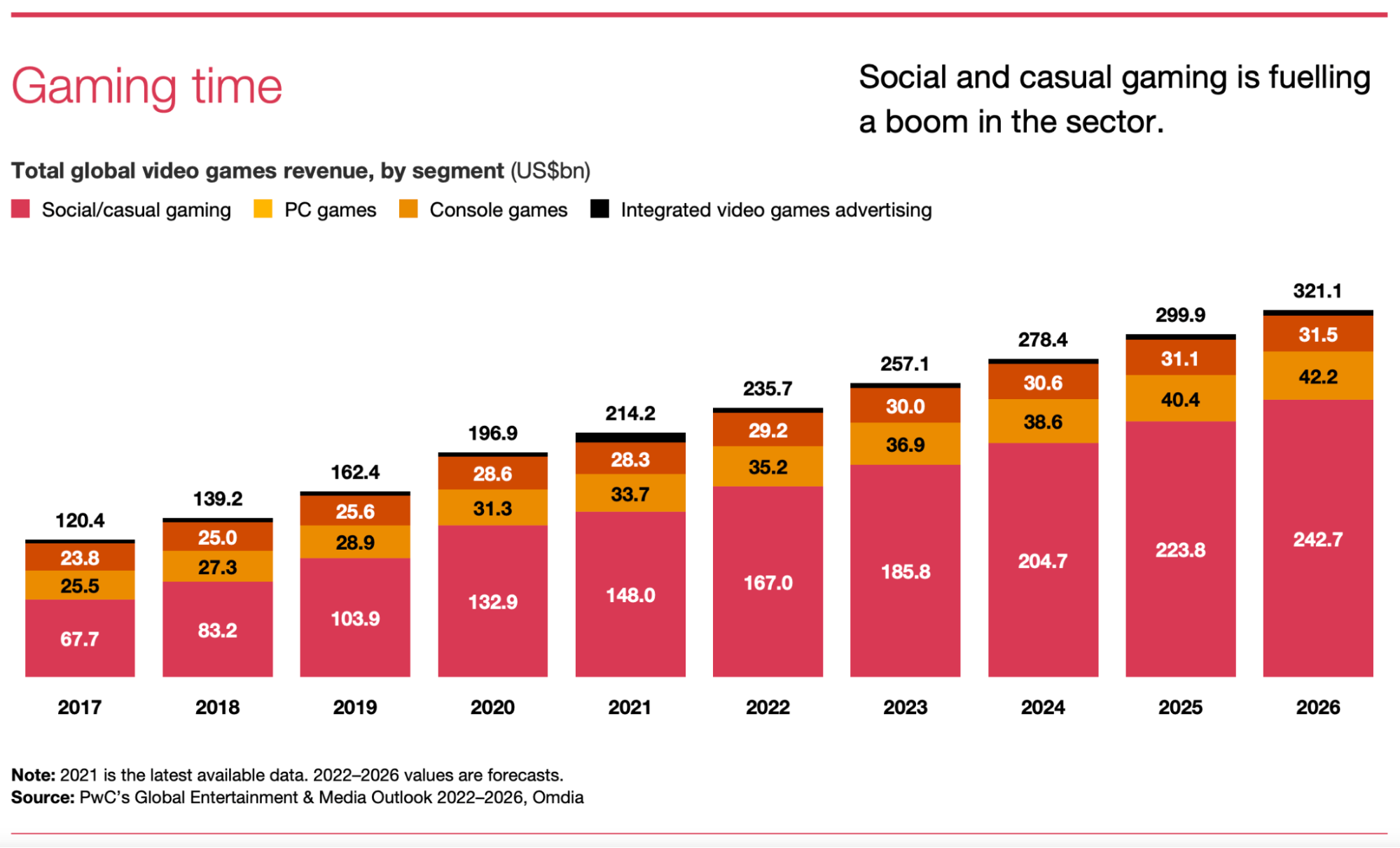
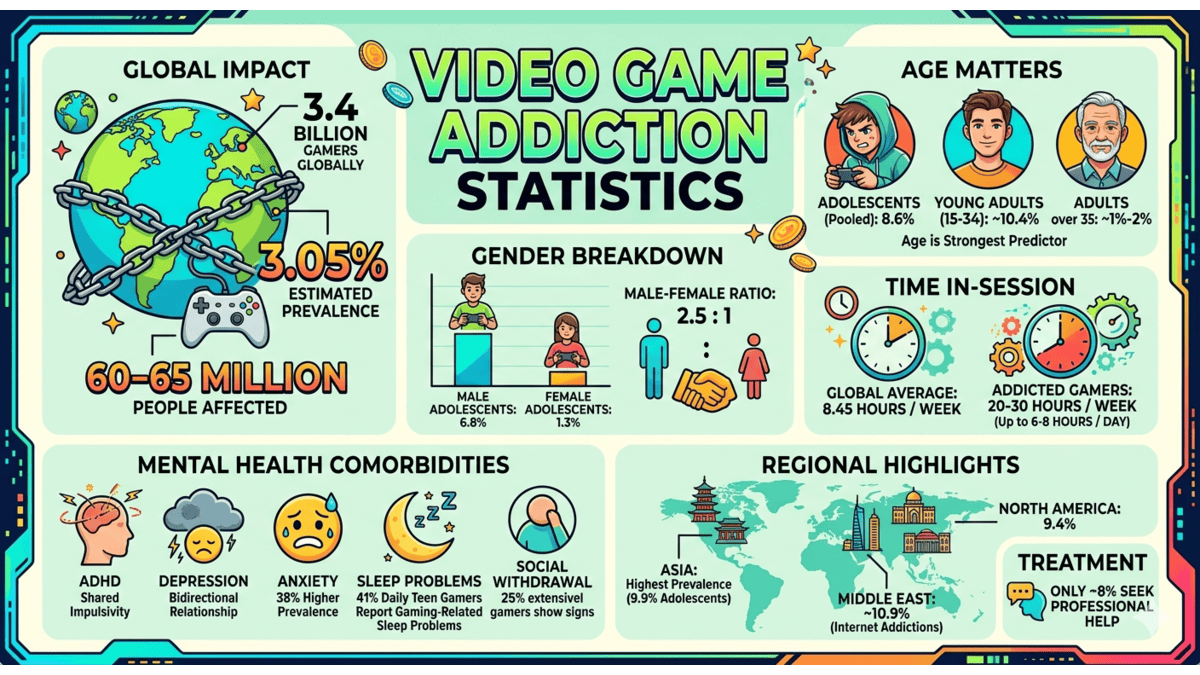
Gaming Statistics 2025 Mobile PC Console Trends Video Game Addiction Statistics 2025 . Game Industry Usage And Revenue Statistics 2026 Gaming Revenue . Video Game Addiction Statistics 2026 Icon Era Statistics Video Game Addiction Statistics 2025. Video Game Addiction Statistics 2026 Video Game Addiction Statistics 2026 . 50 Helpful Video Game Addiction Statistics Facts In 2026 Statistics On The Most Addictive Video Game Genres 1024x576 .webp


Gaming Service Adoption Rates 2026 Gaming Service Adoption Rates 2026 . Video Gaming Report 2026 The Next Era Of Growth BCG 90. Online Gaming Addiction Statistics G1 Overview . 50 Video Game Addiction Statistics Facts 50 Video Game Addiction Cover 100 . Problems Its Types Causes Symptoms Cure What Is Internet Gaming Video Gaming Addiction



Video Game Addiction Statistics 2023 Video Game Addiction Statistics . 10 Much Awaited Games Set To Launch In 2026 Games To Launch 2026 1024x645 . 45 Video Game Addiction Statistics 2026 How Many People Are Addicted Percentage Of Gamers Among Internet Users 1 . Online Gaming Addiction Statistics Video Game Addiction Infographic . Online Gaming Addiction Signs Risk Factors And Treatment The Risk Factors Of Online Gaming Addiction 768x545


Why Are Video Games Not Fun Anymore Gaming Stats By Age 1024x681 . 45 Video Game Addiction Statistics 2026 How Many People Are Addicted Average Weekly Time Spent Playing Video Games . Video Game Addiction Symptoms Causes And Treatment What Is Video Game Addiction 1 . 2026 Upcoming Games And Game Release Dates Guide 2026 Upcoming Games Release Dates . Video Game Addiction 11 Signs Symptoms Treatments Video Game Addiciton Graphics 01 Addiction Happens When Gaming Negatively Impacts 1536x768



Video Game Addiction Treatment Symptoms And Causes 15 20 20 Scaled . Online Gaming Addiction Signs Risk Factors And Treatment The Signs Of Online Gaming Addiction 768x545 . Top 10 Most Anticipated Games Of 2026 What To Watch Out For GAMES IN 2026 . 2026 Guide Video Game Addiction Lawsuit Settlement Amounts Video Game Addiction Lawsuit Settlement Amounts 2024 Guide 768x384 . Video Game Addiction Facts And Statistics At Jamie Tolentino Blog Image 2


Video Game Addiction 11 Signs Symptoms And Treatments Video Game Addiciton Graphics 03 Video Game Addiction Gets In The Way Of 1200x600 . 45 Video Game Addiction Statistics 2026 How Many People Are Addicted More Than 105 Million Gamers Worldwide Are Addicted To Gaming 1 . 10 Warning Signs Your Child Is Addicted To Gaming Gaming 6315638 . Xbox Game Showcase 2026 Trailers Release Dates TAFT Independent 2026 Video Game Release Dates Post Feature Image . How Much Does It Cost To Build A Gaming PC In 2026 Full Budget Guide Low Cost PC For Gaming


Screen And Gaming Addiction A Growing Concern For Hawkesbury Families Gaming Disorder Istock . Video Game Addiction Warning Signs At Virginia Mullins Blog Game Addiction Symptoms And Warning Signs . 25 Technology Addiction Statistics Facts Trends 2026 Top 6 Technology Addiction Statistics 768x781 . 2026 Games Release Schedule Everything Coming Out This Year 2026 Most Anticipated Games . Xbox Lawsuit For Video Game Addiction 2026 Update TorHoerman Law Evidence In Video Game Addiction Lawsuits