PC gaming often appears intimidating with its endless hardware options complex setups and steep learning curves Many busy adults balancing careers and family wonder if diving into this world is simply too hard or time consuming However the reality is far more inviting than you might think This comprehensive guide debunks the myth that PC gaming is exclusively for tech wizards or those with unlimited free time We will explore how modern advancements user friendly interfaces and a thriving community make it accessible to everyone From understanding initial setup challenges to optimizing performance without breaking the bank and from finding games that fit your schedule to connecting with friends online we cover it all Discover how PC gaming can be a rewarding hobby for relaxation skill development and social connection even for the average gamer aged 36 who juggles daily responsibilities Prepare to unlock a world of immersive entertainment tailored to your lifestyle proving that the perceived difficulty is often just a perception This resource aims to provide clear actionable insights transforming potential frustrations into enjoyable experiences making PC gaming not just manageable but truly fun and deeply satisfying
Related games- Guide: Unlock Roblox Dead Rails Bank Code Secrets Today
- Guide to Gaming Stickers for PC Elevate Your Rig
- Roblox Password Guide Keep Your Account Safe
- Guide to GTA 6 Price Speculation 2026
- Guide to Best Free Mac Steam Games for Busy Gamers
Is PC gaming truly harder than console gaming for casual players?
For casual players, PC gaming isn't inherently harder; it's simply different and offers more customization. While consoles provide a streamlined, "plug-and-play" experience, modern PC gaming has vastly improved its user-friendliness. Platforms like Steam simplify game purchases and installations, and contemporary hardware often includes intuitive software for optimization. The initial setup might involve more steps than a console, but the learning curve is gentle, and the benefits of diverse game libraries, better graphics, and enhanced modding capabilities are significant. Many busy gamers find PC gaming perfectly fits their schedule with quick-session games and cloud streaming options.
What are the common technical hurdles new PC gamers face, and how can they overcome them?
New PC gamers often encounter hurdles like driver updates, game optimization settings, and hardware compatibility. Overcoming these is straightforward with today's resources. Graphics card manufacturers (NVIDIA, AMD) offer user-friendly software for automatic driver updates. For game settings, most titles have presets (e.g., "high," "medium") or auto-detection features. Online communities and dedicated YouTube tutorials provide step-by-step guides for almost any technical issue. Starting with a pre-built PC can also minimize initial setup complexities, allowing you to jump straight into gaming with confidence.
How can busy adults balance a job, family, and the demands of PC gaming?
Balancing PC gaming with a busy adult life is entirely possible by setting realistic expectations and choosing suitable games. Many adult gamers, around age 36, successfully integrate gaming by scheduling dedicated play times, similar to other hobbies. Prioritize games with quick sessions like competitive multiplayer matches, roguelikes, or "cozy games" that don't demand continuous hours. Utilizing game features like quick-saves and embracing social gaming with friends on Discord for shorter bursts can maximize enjoyment without impacting daily responsibilities. The key is to make gaming a scheduled leisure activity, not an open-ended commitment.
Is building a gaming PC still a cost-effective option, or should I buy pre-built?
In 2026, both building a gaming PC and buying pre-built systems offer compelling value, depending on your comfort level and specific needs. Building often provides the most cost-effective way to get specific performance for your budget and is a rewarding experience for those interested in hardware. However, pre-built PCs have become increasingly competitive, often featuring robust warranties, professional assembly, and sometimes better bulk pricing on components. For busy individuals prioritizing convenience and immediate play, a quality pre-built PC from a reputable brand can be an excellent, hassle-free investment.
What kind of games are easiest to get into on PC for someone new to the platform?
For newcomers, games with intuitive controls and less demanding mechanics are ideal. Popular choices include strategy games (like Civilization VI), simulation games (Stardew Valley, Cities: Skylines), or "cozy games" trending this month, which focus on relaxation rather than intense action. Many free-to-play titles like Fortnite or Valorant also offer accessible entry points, despite their competitive nature, due to large player bases and helpful onboarding. Games that support controllers also ease the transition for former console gamers, making the experience more comfortable from the start.
How can I ensure my PC gaming setup is future-proof without constant upgrades?
To future-proof your PC gaming setup without constant upgrades, focus on investing wisely in core components like your graphics card (GPU) and CPU, and ensuring you have sufficient RAM (16GB is a good baseline) and a fast SSD. Opt for mid-to-high range components that are slightly above current requirements, giving you headroom for upcoming titles. Choose a motherboard with modern features (like PCIe 5.0 if available) and a robust power supply, allowing for easier component swaps down the line. Strategic, targeted upgrades every few years are more cost-effective than full system replacements.
Is social gaming on PC hard to get into, especially for adults looking to connect?
Social gaming on PC is incredibly accessible and not hard to get into, especially for adults looking to connect. Platforms like Discord serve as central hubs for communities, making it easy to find groups for almost any game or interest. Many trending multiplayer games, from cooperative adventures like Helldivers 2 to open-world survival games, foster natural social interactions. Joining game-specific forums, subreddits, or streaming communities on Twitch can help you find like-minded players. The average US gamer, age 36, often values gaming as a way to unwind and connect with friends, making social play a core part of the experience.
For many busy adults, the idea of diving into PC gaming can feel like scaling a digital Everest. You might see the dazzling graphics on social media, hear friends chatting about their latest raids on Discord, or watch streamers effortlessly navigate complex virtual worlds, and wonder: "Is PC gaming hard, or is it just for tech whizzes with endless spare time?" We get it. Juggling a demanding job, family responsibilities, and the general ebb and flow of daily life leaves little room for what seems like a complicated hobby. The perception often involves expensive hardware, intricate setups, constant troubleshooting, and a steep learning curve for every new game. However, this common assumption is often far from the truth in 2026.
The landscape of PC gaming has evolved dramatically, becoming more accessible, user-friendly, and accommodating for gamers of all skill levels and time commitments. Recent statistics show that approximately 87 percent of US gamers engage regularly, averaging over 10 hours a week, indicating that a vast majority are indeed balancing gaming with their lives. This article is your practical guide to demystifying PC gaming, breaking down the barriers, and proving that it can be a deeply rewarding experience for you, even if your gaming sessions are snatched moments between errands or after the kids are asleep. We will tackle the real challenges and offer actionable solutions, showing you how to enjoy the incredible depth, social connection, and sheer fun that PC gaming offers without the usual headaches. Let's make PC gaming not just possible, but genuinely enjoyable for your lifestyle.
Is PC Gaming Truly Difficult to Get Into?
No, the perceived difficulty of PC gaming is often exaggerated. While it once required significant technical know-how, modern operating systems and gaming platforms like Steam have streamlined the process. User-friendly interfaces, extensive online guides, and a supportive community make initial setup and game installation surprisingly straightforward. The biggest hurdle is often just overcoming the initial mental block; once you start, you'll find resources readily available to guide you through any challenges.
Many busy adults fear the initial leap, imagining hours spent deciphering manuals or troubleshooting obscure errors. In reality, setting up a gaming PC today is often plug-and-play. Companies like NVIDIA and AMD offer intuitive software for driver updates and game optimization. Furthermore, the sheer volume of YouTube tutorials and forum discussions means almost any issue you encounter has likely been solved and documented by someone else, making solutions easily discoverable. The learning curve for specific games might exist, but the barrier to entry for the platform itself is lower than ever.
How Much Does a Good PC Gaming Setup Actually Cost?
A good PC gaming setup doesn't have to break the bank, offering a wide range of budgets. While high-end systems can cost thousands, a capable entry-level to mid-range PC can be built or purchased for 800 to 1500 USD, providing excellent performance for most modern titles at 1080p or even 1440p resolution. Factors like buying used components, waiting for sales, or opting for pre-built deals significantly impact the final price, allowing gamers to find great value without sacrificing too much performance.
For many adult gamers, value for money is paramount. You want a system that performs well without feeling like you're paying for features you won't use.
- Entry-Level (800-1200 USD): Perfect for 1080p gaming at high settings, and even some 1440p. Think popular titles like Apex Legends, Fortnite, or even new AAA games on medium settings.
- Mid-Range (1200-2000 USD): This is the sweet spot for many, offering strong 1440p performance and excellent future-proofing. You'll enjoy smoother frame rates and crisp visuals in almost any game.
- High-End (2000+ USD): For 4K gaming, competitive esports at ultra-high refresh rates, or demanding creative work alongside gaming.
It's wise to allocate a budget not just for the PC, but also for a comfortable monitor, keyboard, and mouse. Look for seasonal sales, particularly around Black Friday or Amazon Prime Day, which can offer substantial savings. Consider certified refurbished components from reputable sellers to get more bang for your buck.
What Are the Biggest Challenges for New PC Gamers and How to Overcome Them?
New PC gamers often face challenges including initial setup confusion, optimizing game settings for performance, driver management, and learning mouse and keyboard controls. Overcoming these involves utilizing online tutorials for setup, leveraging in-game optimization tools or guides for settings, regularly updating drivers through official software, and practicing with accessible games to build control proficiency. A patient approach and seeking community help are key.
It's easy to feel overwhelmed, but most hurdles are easily surmountable with a bit of guidance.
- Setup Anxiety: Modern PCs and peripherals are largely plug-and-play. For software, platforms like Steam or Epic Games Store manage most installations. For physical setup, YouTube guides specific to your components are invaluable.
- Performance Jargon: Terms like "FPS," "V-sync," "refresh rate" can be confusing. Focus on a few key settings: resolution, texture quality, and anti-aliasing. Most games offer optimization presets (low, medium, high) that are a great starting point. Tools like NVIDIA GeForce Experience or AMD Adrenalin automatically suggest optimal settings.
- Driver Updates: This sounds technical but is simple. Your graphics card manufacturer (NVIDIA, AMD) provides free software that notifies you of new drivers and installs them with a click. It’s crucial for performance and stability.
- Mouse and Keyboard: This is a skill, like learning to ride a bike. Start with slower-paced games, strategy titles, or even cooperative "cozy games" (a trending genre this month) before jumping into fast-twitch shooters. Many games also offer controller support if you prefer.
- Information Overload: Stick to reputable sources for advice: official forums, well-known tech review sites, and established gaming YouTubers. Don't be afraid to ask questions in friendly communities.
How Do I Balance PC Gaming With My Busy Life?
Balancing PC gaming with a busy life involves setting realistic time limits, prioritizing responsibilities, choosing games suited for shorter sessions, and communicating with family. Many adult gamers successfully integrate gaming by scheduling dedicated slots, utilizing quick-save features, and focusing on social or cooperative games that allow for flexible drop-in/drop-out play. The key is to view gaming as a scheduled leisure activity, not an open-ended commitment.
For the average 36-year-old gamer, time is a precious commodity. You're not alone in wanting to unwind without neglecting work or family.
- Schedule Your Fun: Treat gaming like any other hobby or appointment. Block out an hour or two a few evenings a week, or a longer session on the weekend. This prevents guilt and helps manage expectations.
- Pick Your Battles (Games): Not every game demands 40+ hours a week. Explore titles with clear mission structures, roguelikes for quick runs, or social games where you can jump in for a quick match with friends. We'll talk more about game types later.
- Communicate: Let your partner or family know when you're planning to game. This avoids misunderstandings and can even lead to shared interest or understanding.
- Utilize Modern Features: Many games have excellent quick-save systems. Pause menus are your friend. Cloud saves mean you can pick up where you left off even if you switch devices.
- Social Gaming as Connection: Playing with friends on Discord for an hour can be a fantastic way to socialize and de-stress, blending personal connection with entertainment.
What Kind of Games Are Best for Limited Playtimes and Busy Schedules?
For gamers with limited time, excellent choices include competitive multiplayer games with short match durations like Rocket League or Valorant, cooperative "cozy games" such as Stardew Valley or Palia, strategy games that allow for turn-based play, and roguelikes like Hades or Dead Cells where each run is self-contained. Free-to-play titles often offer accessible entry points into these genres, allowing for flexible engagement.
The idea that all PC games demand epic time investments is a myth. The gaming market is vast and caters to every schedule.
- Quick Matches: Many esports titles are designed for short, intense bursts of play. Think League of Legends ARAM mode, Overwatch 2 quick play, or even a few rounds of Counter-Strike 2.
- Cozy & Casual: Trending this month are "cozy games" which offer relaxing, often low-stakes experiences. Animal Crossing on Switch (with PC alternatives like Palia) or simulation games like Cities: Skylines allow you to drop in and out without penalty.
- Roguelikes/Roguelites: Games where you make progress over many short, self-contained "runs" are perfect. Hades offers a compelling narrative wrapped in quick, satisfying action loops.
- Strategy Games: Turn-based strategy games like Civilization VI can be saved at any point, letting you play for 15 minutes or 5 hours as your schedule allows.
- Cloud Gaming: Services like Xbox Game Pass Ultimate (with cloud streaming) or NVIDIA GeForce Now allow you to play high-fidelity games on less powerful hardware, or even your phone, making it easier to squeeze in a session.
How Can I Optimize My PC Performance Without Being a Tech Expert?
Optimizing PC performance doesn't require advanced technical skills. Key steps include keeping graphics drivers updated, managing background applications, adjusting in-game settings (starting with presets), ensuring adequate cooling, and maintaining a clean operating system. Software like NVIDIA GeForce Experience or AMD Adrenalin simplify driver updates and game specific optimizations, making the process straightforward for any user.
A smooth gaming experience is crucial for enjoyment, and you don't need to be a system builder to achieve it.
- Update Your Drivers: This is number one. Your graphics card drivers are frequently updated to boost performance and fix bugs in new games. Use the official software (NVIDIA GeForce Experience, AMD Adrenalin) for automated updates.
- Close Background Apps: Before launching a demanding game, close browsers, streaming apps, or anything else hogging your RAM or CPU. Task Manager (Ctrl+Shift+Esc) is your friend.
- In-Game Settings: Start by using the game's recommended settings or a preset (e.g., "High" or "Medium"). Then, adjust individually: lowering resolution, shadow quality, or anti-aliasing often provides significant FPS gains with minimal visual impact.
- Keep It Cool: Dust is the enemy of performance. Periodically clean your PC's fans and vents with compressed air to prevent overheating, which causes your components to "throttle" (slow down).
- Game Mode in Windows: Windows 10/11 has a "Game Mode" (Settings > Gaming > Game Mode) that prioritizes your game, reducing background processes. Make sure it's on.
Is It Hard to Upgrade My PC Components on a Budget?
Upgrading PC components on a budget is very achievable and often simpler than building from scratch. Focused upgrades like a new graphics card, additional RAM, or a faster SSD can dramatically improve performance. Researching compatibility, watching for sales, and considering reputable used components are smart strategies to maximize impact without overspending. Many upgrades involve straightforward plug-and-play installation with abundant online guides.
For many gamers, a full system overhaul isn't feasible every few years. Targeted upgrades are a cost-effective solution.
- The Graphics Card (GPU): This is usually the biggest bang for your buck. A new GPU can transform your gaming experience. Ensure your power supply (PSU) can handle it and it fits in your case.
- RAM (Memory): Moving from 8GB to 16GB RAM is a noticeable upgrade, especially for modern games and multitasking. It's often very easy to install, just snapping sticks into slots.
- SSD (Solid State Drive): If you're still using a traditional hard drive (HDD) for your operating system or games, upgrading to an SSD (especially an NVMe SSD) will drastically improve load times and overall system responsiveness. This is a quality-of-life upgrade you'll appreciate daily.
- Research is Key: Before buying, check compatibility with your existing motherboard and CPU. Websites like PCPartPicker.com help you verify this.
- Sales and Used Market: Keep an eye out for discounts. The used market (e.g., eBay, local marketplaces) can offer great deals on GPUs or RAM, but buy from reputable sellers and check for warranties.
How Do I Find a Gaming Community and Play Socially?
Finding a gaming community is easier than ever thanks to platforms like Discord, in-game LFG (Looking for Group) features, and social media groups. Many busy adults find connection through cooperative games, joining guilds or clans, or participating in Twitch streams. Start by playing popular multiplayer titles, using their built-in social tools, and don't hesitate to join game-specific Discord servers to find like-minded players.
Gaming isn't just about solo adventures; for many, it's a vital social outlet, especially for those aged 36 balancing life.
- Discord: This is the unofficial hub for gamers. Join official game servers, streamer communities, or even create private servers with friends. Voice chat is seamless, and text channels keep you connected.
- In-Game Features: Most multiplayer games have LFG tools or clan/guild systems. Don't be shy about using them. Many people are looking for friendly players.
- Cooperative Games: This month, social and cooperative games are highly trending. Titles like Helldivers 2, Palworld, or Valheim are built around teamwork and give you natural opportunities to interact.
- Streamer Communities: Find a Twitch or YouTube streamer whose community you enjoy. Often, they have associated Discord servers where you can meet other viewers and potentially game together.
- Real-Life Friends: If your friends play, great! If not, introduce them to accessible co-op games or suggest trying a free-to-play title together.
What About Mobile Gaming and PC Cross-Play?
The lines between mobile and PC gaming are blurring with increasing cross-play opportunities and cloud streaming. Many popular titles, like Genshin Impact or Fortnite, offer seamless progression across PC and mobile devices. Cloud gaming services further allow high-end PC games to be streamed to mobile phones, providing flexibility for busy gamers to enjoy their titles on the go or when away from their main setup.
For the average gamer who's always on the move, this is a game-changer.
- Seamless Ecosystems: Games like Genshin Impact, Honkai: Star Rail, and Call of Duty: Mobile (with controller support) allow you to pick up your progress whether you're on your PC or your phone. This makes gaming highly adaptable to your schedule.
- Cloud Gaming Services: Services like Xbox Game Pass Ultimate with Cloud Gaming or NVIDIA GeForce Now let you stream full PC titles to almost any device, including your phone or tablet, over a good internet connection. This is perfect for squeezing in a session during a commute or while waiting for an appointment.
- Cross-Platform Play: Many games now support playing with friends regardless of their platform. Call of Duty, Fortnite, Minecraft, and Rocket League are prime examples. This expands your social circle and makes it easier to game with different friends.
Are Free-to-Play PC Games Actually Good?
Yes, many free-to-play (F2P) PC games are exceptionally high-quality and popular, rivaling paid AAA titles in terms of content, graphics, and gameplay. Games like Fortnite, Apex Legends, Valorant, Genshin Impact, and League of Legends offer hundreds to thousands of hours of engaging entertainment without an upfront cost. Their monetization models typically rely on cosmetic purchases, allowing core gameplay to remain free and accessible.
The perception that "free equals low quality" is outdated, especially in 2026.
- Massive Communities: The biggest F2P games boast millions of active players, ensuring you'll always find a match and a vibrant community. This month, titles like Helldivers 2 (not F2P, but popular coop) show the hunger for social gaming, and F2P titles fill that niche perfectly.
- High Production Values: Many F2P games are developed by major studios with substantial budgets. They compete directly with paid games and often push technological boundaries.
- Monetization is Optional: Typically, F2P games generate revenue through skins, emotes, battle passes, or convenience items that don't impact gameplay balance. You can enjoy the full experience without spending a dime if you choose.
- Budget-Friendly Entry: For gamers on a budget or those just dipping their toes in, F2P games are an excellent, risk-free way to explore different genres and find what you enjoy.
How Do I Stay Updated on Gaming Trends Without the Hype?
Staying updated on gaming trends without getting caught in excessive hype involves following diverse, reputable sources, focusing on objective reviews, and engaging with communities that prioritize genuine discussion over sensationalism. Subscribing to curated newsletters, listening to podcasts from veteran journalists, and following specific game developers or smaller, community-focused content creators can provide valuable, grounded insights.
For the discerning gamer, cutting through the noise is crucial. You want useful information, not just marketing.
- Diverse News Sources: Don't rely on just one outlet. Follow a mix of established gaming news sites (e.g., PC Gamer, IGN, Eurogamer), independent journalists on platforms like Substack, and even financial news outlets that cover the gaming industry for a broader perspective.
- Community Forums & Reddit: Specific subreddits for genres or games you like often have very engaged, knowledgeable users who can offer real-world feedback and cut through hype.
- Aggregators & Curators: Look for newsletters or YouTube channels that summarize news and offer balanced opinions, rather than just repeating press releases.
- Developer Blogs: Many game studios have their own blogs or social media channels where they provide direct updates and insights into their projects. This is often the most accurate source.
- Watch Gameplay, Not Just Trailers: Before committing, watch several hours of unedited gameplay footage from different content creators to get a true sense of the game.
Ultimately, the question "is PC gaming hard" has a clear answer: it's as hard as you make it, and with modern tools and community support, it's easier than ever to jump in and enjoy. For the average gamer balancing work, family, and life, PC gaming offers unparalleled depth, social connection, and an incredible library of experiences tailored to any schedule or budget. By understanding the common hurdles and applying the practical solutions outlined here, you can transform perceived complexity into genuine enjoyment. Whether you're chasing high scores in competitive esports or unwinding with a relaxing co-op game with friends, the world of PC gaming is ready for you. Don't let old myths hold you back from discovering your next favorite digital escape.
What's your biggest gaming challenge or your favorite way to unwind with PC gaming? Comment below and share your insights with our community!
FAQ: Your Quick Answers to Common PC Gaming Questions
Do I need a powerful PC to start gaming? No, you don't. While high-end PCs offer peak performance, mid-range and even entry-level systems can deliver excellent 1080p gaming experiences. Many popular titles are optimized to run well on more modest hardware, and free-to-play games are often designed for broad accessibility.
Is it expensive to maintain a gaming PC? Not necessarily. Beyond initial hardware, ongoing costs are minimal, mainly for new games or optional subscriptions. Driver updates are free, and many tools for optimization are built into your operating system or graphics card software. Smart upgrades and sales help manage costs.
Can I use a controller instead of a keyboard and mouse? Absolutely! Most modern PC games offer full controller support, allowing you to choose your preferred input method. This is especially helpful for console veterans or for genres like racing, fighting, or many adventure games where a controller feels more natural.
How often do I need to upgrade my gaming PC? It depends on your expectations. A well-chosen mid-range PC can comfortably last 3-5 years before needing a significant upgrade to play the newest titles at high settings. Targeted upgrades like a new graphics card or more RAM can extend its lifespan considerably.
Are PC games typically more expensive than console games? Not always. PC game sales are frequent and aggressive on platforms like Steam, Epic Games Store, and GOG. You often find better deals and a wider range of prices on PC, including a vast library of high-quality free-to-play titles that aren't available on consoles.
Is PC gaming difficult for older gamers or those new to technology? No, modern PC gaming is more intuitive than ever. User interfaces are streamlined, and a wealth of online guides and community support exist. With patience, anyone can learn, and many games are designed to be accessible regardless of age or tech proficiency, offering a relaxing and engaging experience.
What are the benefits of PC gaming over console gaming? PC gaming offers superior graphical fidelity, higher frame rates, more diverse game libraries (including exclusives and indie titles), greater hardware customizability, and more robust modding communities. It also doubles as a powerful workstation, offering versatility beyond just gaming.
PC gaming perceived difficulty is often exaggerated and manageable Modern systems and software offer user friendly experiences simplifying setup and optimization Strong online communities and resources provide ample support for new and experienced gamers This guide offers practical solutions for common PC gaming pain points including hardware choices budget constraints and balancing gaming with personal life Learn to optimize performance select suitable games for limited time and make smart upgrade decisions Ultimately PC gaming is rewarding for relaxation skill building and social connection
35


Best Gaming PC Builds For 2026 Best Gaming PC Builds For 2026.webp. The Ultimate Gaming PC Build 2026 Guide By Xidax 1 Unnamed . 7 Best Gaming PCs Of 2026 Power Performance And Value Revealed Top Gaming Pcs 2026 1lmv2 . Best Gaming PC For Competitive Gaming 2026 Hardware Guide The Best Gaming PC For Competitive Gaming 2026 Performance Guide.webp. Top 10 Most Anticipated Games Of 2026 What To Watch Out For TVN GAMES IN 2026




Best Gaming Streaming PC In 2026 High FPS Gaming PC Guru Best Gaming Pc On Amazon Featured 800x500 . Top 10 Best Desktop Computers 2026 For Home Office And Work Lenovo Legion Tower 7i 2026 High Performance Desktop Computer With RGB Lighting Featured In. How To Build A Future Proof PC In 2026 Without Regret Gemini Generated Ima. Imresizer 98 . Best PC For 2026 For All Purposes From Coding To Gaming To Video AC SL1500 . Building A Gaming PC In 2026 Is DIFFERENT YouTube



Console Gaming Vs PC Which Wins In 2026 Full Comparison Guide Console. Best Buy Gaming Desktop 2026 Complete Pre Gaming PC Guru Best Gaming Pc For Under 500 Dollars Featured 800x500 . The Gaming PC You Need To Build For 2026. CES 2026 All The Key From Tech S Biggest Show Stuff MSI Stealth 16 AI CES 2026 Lead . CES 2026 ASUS D Voile Ses Nouveaux PC Gaming ROG Avec RTX 5090 Et 2026 ROG Zephyrus Duo 1176x662



Quale PC Gaming Scegliere Nel 2026 Zendia Zendia Pc Gaming Blog Cb70d7a7 6556 4c25 A230 . R15 000 Gaming PC Guide 2026 R15 000 Gaming Pc Sa 2026 Banner.webp. Best Gaming PC Under Rs 1 50 000 In March 2026 Gaming PC Mar 150k . The Best Gaming PC Of 2026 Top Prebuilt Desktops Gaming Pc . The Best Gaming PC Builds For 2026 Top Picks And Reviews Best Pc Build 96x96


Best Graphics Cards In 2026 I Ve Tested Pretty Much Every AMD And . 6 Best Gaming PC Hard Drives Of 2026 Top Gaming Hard Drives . The Best Cheap Gaming Laptops For 2026 Tested For Gaming Top 3 Gaming Laptops Of 2026 - The Ultimate Guide . Android Vs Apple Which Is Better In 2026 Computer Cave Desktop Gaming In 2026 Why Performance Issues Usually Mean Repair--Not Replacement. Top 10 Most Anticipated Games Of 2026 Biggest Upcoming Game Releases


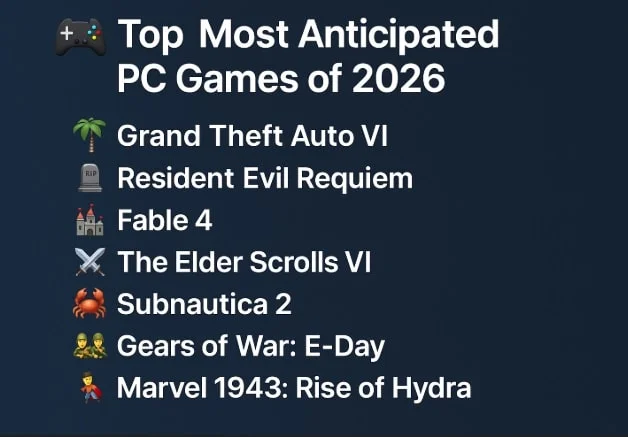
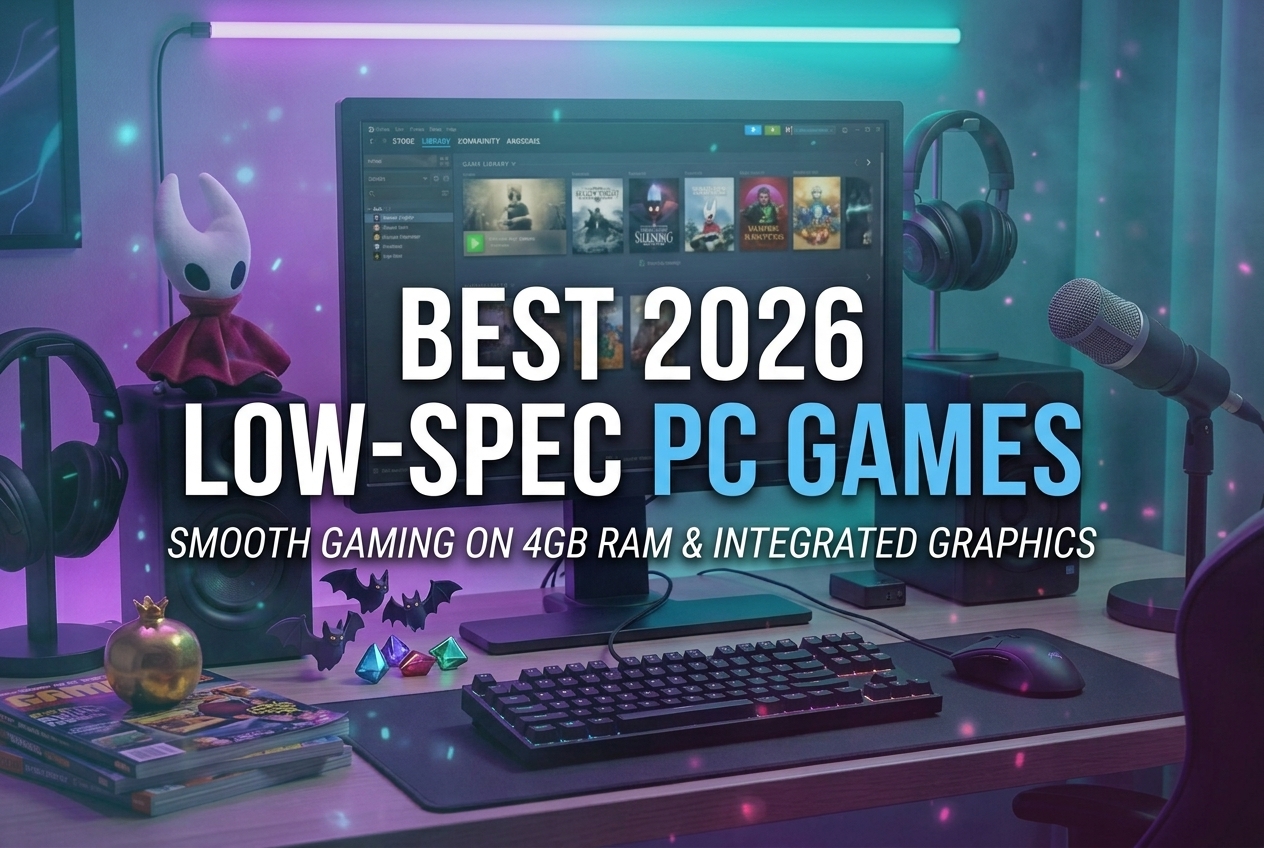
2026 Upcoming Games And Game Release Dates Guide 2026 Upcoming Games Release Dates . 20 Most Anticipated Video Games Of 2026 Page 20 1200x675 . 12 AMD Gaming PC In 2026 Is It Any Good YouTube . Top Most Anticipated PC Games Of 2026 A Deep Dive Top Most Anticipated Pc Games Of 2026 A Deep Dive.webp. Best Low Spec PC Games In 2026 Play On Any Hardware Best Low Spec Pc Games 2026 1




CES 2026 Novit PC Gaming E AI Di NVIDIA AMD E Intel CES 2026 . Xbox Cloud Gaming Is It Changing How We Play Forever Large . Best Gaming Desktop For 600 Best Gaming Desktops . Top 15 Pc Games Van 2026 Cdkeynl Nl PT PT FI 2026 . TOP 40 BIGGEST NEW Games Coming In 2026 With Crazy NEXT GEN 4K Graphics