Discover the essential components for building your ultimate gaming PC in 2026. This comprehensive guide navigates through every crucial part from CPU and GPU to RAM and storage, ensuring you make informed decisions for optimal performance and value. Learn how to balance your budget with your gaming aspirations, identify the latest trending hardware, and avoid common pitfalls. Whether you are a first-time builder or looking to upgrade your current rig, understanding each gaming PC part is key to a smooth, immersive, and future-proof gaming experience. This resource provides clear, actionable insights to help you conquer the complexities of PC assembly and customization, making your journey into high-performance gaming seamless and rewarding. Get ready to unlock your full gaming potential with the right components.
Q: What is the most crucial gaming PC part for achieving high FPS in new games?
A: The Graphics Processing Unit (GPU) is by far the most crucial component for achieving high frames per second (FPS) in modern games. It handles all the visual rendering, from complex textures to real-time lighting and effects. Investing a significant portion of your budget into the best GPU you can afford for your target resolution and refresh rate will yield the most noticeable performance improvements. While other "gaming pc all parts" like the CPU and RAM are important, the GPU is the primary driver for graphical fidelity and smooth gameplay.
Q: How do I choose a compatible motherboard for all my gaming PC parts?
A: Choosing a compatible motherboard requires checking its socket type (e.g., LGA 1700 for Intel, AM5 for AMD) to match your CPU, and ensuring it supports your RAM type (DDR4 or DDR5) and desired speed. Also, consider the chipset, which determines features like PCIe generation (for GPUs and NVMe SSDs), USB port count, and SATA ports. Make sure it has enough M.2 slots for your NVMe drives and is the correct form factor (ATX, Micro-ATX, Mini-ITX) for your case. All "gaming pc all parts" must physically fit and electrically connect, so motherboard selection is foundational.
Q: Why is NVMe SSD storage recommended over traditional SATA SSDs for gaming?
A: NVMe SSDs utilize the PCIe interface, offering significantly faster read and write speeds compared to SATA SSDs, which are limited by the SATA 3.0 interface. This translates to much quicker game load times, faster boot-ups, and more responsive overall system performance. As game sizes grow and developers optimize for direct storage access, the speed advantage of NVMe becomes increasingly important. For any modern gaming PC, an NVMe drive for your OS and primary games is essential to ensure smooth, rapid data access for all "gaming pc all parts."
Q: What factors determine the best CPU cooler for my gaming PC build?
A: The best CPU cooler depends on your CPU's thermal design power (TDP), whether you plan to overclock, and your case's airflow and clearance. High-end CPUs, especially those intended for overclocking, benefit from powerful air coolers or All-In-One (AIO) liquid coolers. For mid-range CPUs, a good tower air cooler is often sufficient and more cost-effective. Ensure the cooler's dimensions fit within your PC case and do not obstruct RAM slots. Effective cooling for your CPU and other "gaming pc all parts" prevents thermal throttling and maintains stable performance during intense gaming sessions.
Q: How can I ensure all my gaming PC parts are compatible before purchasing?
A: To ensure compatibility among all your "gaming pc all parts," use online PC builder websites like PCPartPicker. These tools allow you to select components and automatically flag any known compatibility issues between your CPU, motherboard, RAM, GPU, and PSU. Pay close attention to CPU socket types, RAM generation (DDR4 vs. DDR5), motherboard chipset, PSU wattage, and physical clearances within your chosen PC case. Double-checking these specifications beforehand will save you significant headaches during assembly.
Q: What role does the PC case play beyond just holding all the gaming PC parts?
A: The PC case is more than just an enclosure; it is vital for airflow, cooling efficiency, and aesthetics. A well-designed case provides ample space for components, allows for good cable management, and supports multiple fans or liquid cooling radiators to maintain optimal temperatures for all "gaming pc all parts." It also protects your components from dust and physical damage. Look for cases with good dust filters, easy-to-manage interiors, and sufficient size to accommodate your chosen GPU and CPU cooler while providing unhindered airflow. Good airflow can significantly impact your PC's performance and longevity.
Q: When should I consider upgrading my Power Supply Unit (PSU) with other gaming PC parts?
A: You should consider upgrading your Power Supply Unit (PSU) when you are significantly upgrading power-hungry components, particularly the GPU or CPU, to ensure your system receives adequate and stable power. If your current PSU is old, non-modular, or has a low efficiency rating (e.g., no 80 PLUS certification), an upgrade can improve efficiency, reduce cable clutter, and provide better power stability. Always use a PSU wattage calculator after selecting your new "gaming pc all parts" to determine if your existing PSU is still sufficient for the combined power draw, adding a 20-30% buffer for future needs.
Ever feel like you are juggling a raid boss with your work schedule, family commitments, and that endless to-do list? You are not alone. For many US gamers, balancing a demanding life with the desire for immersive, high-performance gaming is a daily challenge. We want to unwind, conquer new worlds, or connect with friends online, but often face the frustration of outdated hardware, lag spikes, or the sheer headache of figuring out what "gaming pc all parts" truly entail for a smooth experience. Recent data shows that 87% of US gamers play regularly, often dedicating 10+ hours a week, highlighting gaming's crucial role in relaxation and social connection for adults averaging around 36 years old. With mobile gaming dominating casually, dedicated PC gamers demand more from their rigs.
Building or upgrading a gaming PC can seem daunting. What CPU pairs with what GPU? How much RAM is enough? Which storage option is best for your favorite titles and that ever-growing game library? This guide is designed for you: the adult gamer who values performance, smart spending, and hassle-free play. We will break down every essential component of a gaming PC, from the foundational processor to the often-overlooked case, helping you make informed decisions without getting lost in the hype. Get ready to optimize your setup, understand where your money truly makes a difference, and ensure your next gaming session is about pure fun, not frustration.
What are the absolute essential gaming PC all parts for a new build in 2026?
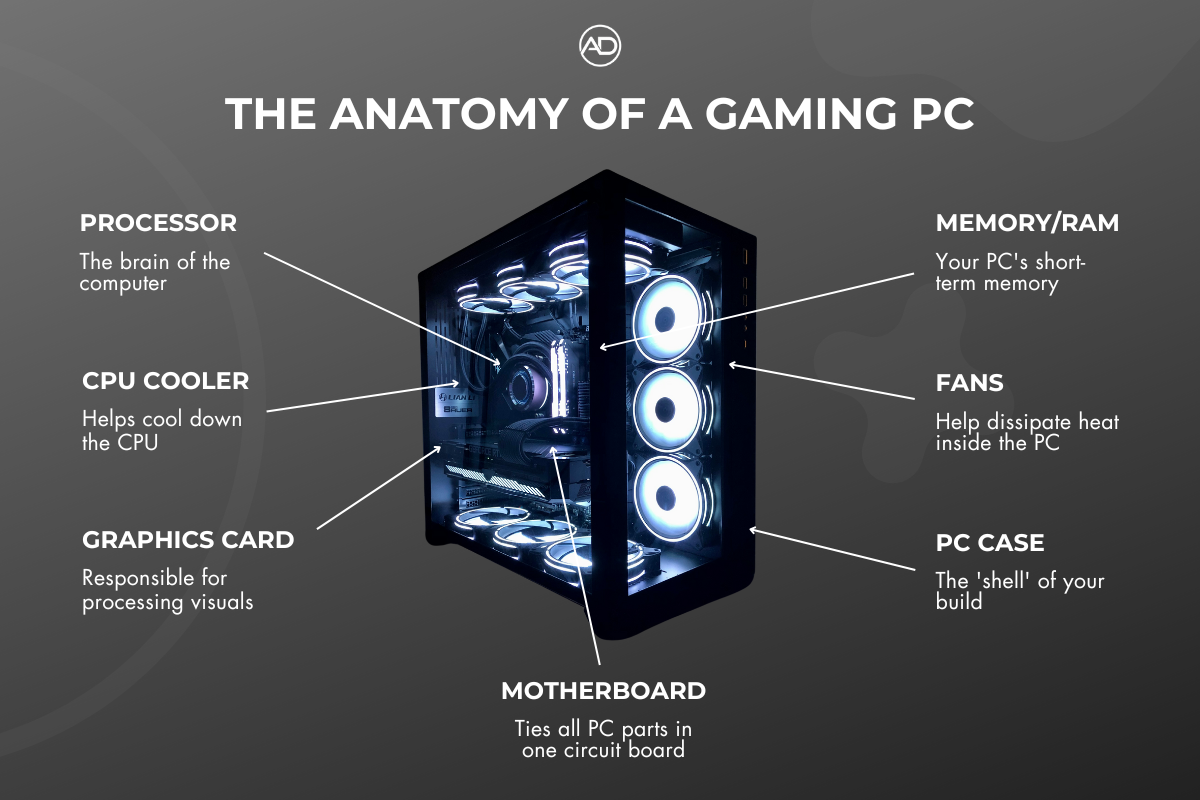
Building a gaming PC involves several core components that work together seamlessly to deliver your gaming experience. The primary "gaming pc all parts" include the Central Processing Unit (CPU), Graphics Processing Unit (GPU), Motherboard, Random Access Memory (RAM), Storage (SSD/HDD), Power Supply Unit (PSU), and Case. Each part plays a critical role, and understanding their functions is the first step toward a successful build. For instance, the CPU acts as the brain, processing game logic, while the GPU is the muscle, rendering visuals on your screen. The motherboard connects everything, RAM handles active data, and storage keeps your games ready to launch.
How do I choose the right CPU and GPU without breaking my budget?
Choosing the right CPU and GPU is often the most critical and expensive decision for a gaming PC. For most gamers balancing work and life, finding the sweet spot between performance and cost is key. Start by defining your primary gaming resolution (1080p, 1440p, 4K) and desired frame rates. For 1080p gaming, mid-range options from Intel (i5/i7) or AMD (Ryzen 5/7) paired with an NVIDIA RTX 4060/4070 or AMD RX 7700 XT/7800 XT offer excellent value. For 1440p, aim for higher-tier i7/Ryzen 7 and an RTX 4070 Ti SUPER/4080 or RX 7900 XT. Remember that the GPU typically has a greater impact on in-game performance than the CPU for gaming alone, so allocate a larger portion of your budget there. Check recent benchmarks for specific game titles you play.
Is 16GB RAM still enough for gaming in 2026, or should I go for 32GB?
While 16GB of DDR4 or DDR5 RAM is still considered the minimum standard for most modern gaming in 2026, 32GB is rapidly becoming the recommended sweet spot, especially for gamers who multitask, stream, or play graphically intensive titles like open-world RPGs or simulation games. Many new AAA titles are pushing memory usage, and with browsers, Discord, and other background apps running, 16GB can sometimes feel restrictive. Upgrading to 32GB offers better future-proofing, smoother multitasking, and can prevent potential stuttering in memory-hungry scenarios. DDR5 RAM is now standard for new builds, offering higher speeds and bandwidth, but ensure your motherboard and CPU support it.
What storage solution is best for a gaming PC: SSD, NVMe, or HDD?
For a gaming PC, an NVMe Solid State Drive (SSD) is practically non-negotiable for your primary drive. NVMe SSDs connect directly to the motherboard via a PCIe slot, offering significantly faster read and write speeds than traditional SATA SSDs, leading to much quicker game load times and system responsiveness. Modern games are increasingly optimized for SSDs, with some even having higher minimum system requirements for SSDs. A typical setup involves a 1TB or 2TB NVMe SSD for your operating system and most frequently played games. For larger game libraries or general media storage, a secondary SATA SSD or even a high-capacity Hard Disk Drive (HDD) can still be a cost-effective solution, though HDDs are almost phased out for primary gaming storage.
How important is the Power Supply Unit (PSU) and how do I choose the right wattage?
The Power Supply Unit (PSU) is one of the most overlooked yet crucial "gaming pc all parts." It provides stable power to every component in your system. A cheap or underpowered PSU can lead to system instability, component damage, or simply prevent your PC from running efficiently. To choose the right wattage, you need to sum up the power consumption of your CPU, GPU, and other components using an online PSU calculator. It is generally recommended to get a PSU with about 20-30% more wattage than your calculated peak usage to allow for future upgrades and operate within the PSU's most efficient range. Always opt for a reputable brand with an 80 PLUS Bronze, Gold, or Platinum certification for efficiency and reliability.
Do I really need an expensive motherboard for gaming?
No, you do not always need the most expensive motherboard for a great gaming experience. The motherboard connects all your "gaming pc all parts" but generally has a minimal direct impact on in-game FPS. Its importance lies in compatibility, expandability, and stability. You need a motherboard that is compatible with your chosen CPU (socket type, chipset), supports your RAM type (DDR4 or DDR5) and speed, and has enough PCIe slots for your GPU and NVMe SSDs. Mid-range motherboards often offer all the necessary features, including decent VRM (Voltage Regulator Module) for stable power delivery to the CPU, sufficient USB ports, and basic overclocking capabilities, without the premium price tag of high-end boards that cater to extreme overclockers or enthusiasts needing advanced connectivity.
What cooling solutions are best for a gaming PC, and when should I consider liquid cooling?
Effective cooling is vital for maintaining optimal performance and longevity of your "gaming pc all parts," especially the CPU and GPU. For most builds, a good air cooler (like those from Noctua or Cooler Master) is perfectly adequate for keeping your CPU temperatures in check, even with modern mid-to-high-end processors. Liquid cooling (AIO - All-In-One or custom loops) becomes more relevant for high-end CPUs, intensive overclocking, or if you prefer a cleaner aesthetic and potentially quieter operation under heavy load. AIO coolers are easier to install than custom loops and offer superior cooling capacity for top-tier CPUs. Always ensure your PC case has good airflow with multiple fans to dissipate heat generated by all components.
How often should I upgrade my gaming PC parts to stay current with new titles?
For the average gamer who balances life and play, a full gaming PC upgrade every 2-3 years is generally ideal to stay current with new titles and enjoy them at good settings. However, you do not always need to replace "gaming pc all parts" simultaneously. The GPU is typically the first component to show its age and often provides the biggest performance boost when upgraded. CPUs can last longer, often 4-5 years, especially if you initially invested in a good one. RAM and storage are less frequently upgraded unless you need more capacity or faster speeds. Smart, incremental upgrades can save money while keeping your rig relevant for the social gaming trends and demanding new releases.
Can I reuse some old gaming PC parts for a new build to save money?
Absolutely, reusing old "gaming pc all parts" can be a smart way to save money, especially for budget-conscious gamers. Components like your PC case, power supply unit (if it has sufficient wattage and efficiency), and even some storage drives (especially larger HDDs) are often reusable. Peripherals such as monitors, keyboards, and mice are almost always transferable. However, be cautious with older CPUs, motherboards, and RAM, as these are often tied together by compatibility standards (e.g., specific CPU sockets and RAM generations) that quickly become outdated. Assess the age and performance of each component carefully. A good rule of thumb: if it significantly impacts performance or is more than 3-4 generations old, it is probably time for an upgrade.
What are the best practices for assembling a gaming PC for the first time?
Assembling your first gaming PC can be a rewarding experience. Firstly, gather all your "gaming pc all parts" and tools (screwdriver, zip ties, anti-static wrist strap). Watch a few recent build guides on YouTube to familiarize yourself with the process. Start by installing the CPU and RAM onto the motherboard *before* putting the motherboard into the case. Then, mount the PSU, install the motherboard, and connect the front panel connectors (a common hurdle). Next, install the GPU, then your storage drives, and finally, connect all the necessary power cables. Take your time, double-check connections, and do not force anything. Proper cable management will improve airflow and aesthetics. Remember, patience is key.
How does balancing gaming with life influence my choice of gaming PC all parts?
For adults who game, balancing a career, family, and personal life means every gaming session counts. This influences your choice of "gaming pc all parts" by prioritizing reliability, efficiency, and smart value over cutting-edge extravagance. You need a stable system that works when you have that precious hour to play, not one constantly crashing or requiring troubleshooting. Investing in a quality PSU, a reliable SSD for quick boot times, and a GPU that comfortably handles your preferred resolution ensures your limited gaming time is spent playing, not waiting or fixing. Furthermore, a quieter cooling solution can be a blessing if your gaming den is close to sleeping family members. Focus on robust, proven components that offer a solid performance-per-dollar rather than chasing marginal FPS gains that come with a premium price tag.
What are current trends in gaming PC parts that impact my buying decisions in 2026?
Several trends are shaping "gaming pc all parts" in 2026. Firstly, AI integration: both NVIDIA and AMD are leveraging AI cores (Tensor Cores/AI Accelerators) for features like DLSS and FSR, making GPUs more than just raw powerhouses. Secondly, power efficiency is becoming crucial, with both Intel and AMD CPUs adopting hybrid architectures. Thirdly, faster storage: PCIe Gen 5 NVMe SSDs are becoming more prevalent, offering incredible speeds for future DirectStorage-enabled games. Lastly, compact form factors: Mini-ITX and Micro-ATX builds are gaining popularity, driven by advancements in cooling and component miniaturization, ideal for smaller living spaces. Keep an eye on these trends for future-proofing your build and optimizing for an ever-evolving gaming landscape, especially as social gaming continues to thrive and cross-play blurs console and PC lines.
Navigating the world of "gaming pc all parts" does not have to be a bewildering quest. By understanding the function and importance of each component, from the powerful GPU to the reliable PSU, you are empowered to build a system that not only meets your gaming desires but also respects your budget and time. Remember, the goal is a stable, enjoyable gaming experience that complements your busy life, offering that much-needed escape, social connection, or skill-building opportunity. Focus on smart investments, proper research, and patient assembly, and you will unlock countless hours of pure gaming bliss.
What is your biggest gaming challenge when it comes to hardware or balancing life? Comment below and let us help each other level up!
What is the most important part of a gaming PC?
The GPU (Graphics Processing Unit) is generally considered the most important part for gaming performance, as it is primarily responsible for rendering visuals and directly impacts frame rates. However, a balanced system where all "gaming pc all parts" complement each other is crucial for overall performance and stability.
How much does a good gaming PC cost in 2026?
A good gaming PC in 2026 can range from $800 to $1500 for a solid 1080p/1440p experience, while high-end 4K rigs can easily exceed $2000. Prices vary based on specific component choices, current market trends, and regional availability.
Can I build a gaming PC with used parts?
Yes, you can build a gaming PC with used parts, which can be a cost-effective strategy. GPUs, CPUs, and RAM are often good candidates for used purchases, but always verify seller reputation, test components if possible, and be aware of potential wear and tear. Ensure compatibility with new "gaming pc all parts."
What is the difference between an i5 and i7 for gaming?
For gaming, an Intel Core i5 processor is often sufficient, especially for mid-range systems, offering excellent value. An i7 typically provides more cores/threads and higher clock speeds, benefiting demanding games, streaming, or content creation tasks simultaneously. For pure gaming, the performance gap between generations can be more significant than between i5 and i7 of the same generation.
Is a gaming laptop as good as a gaming PC?
Gaming laptops offer portability and convenience, often packing powerful hardware. However, a custom-built gaming PC generally offers better performance for the price, superior cooling, easier upgradeability, and more customization options. Laptops are ideal for gamers on the go, while desktops provide the best stationary gaming experience.
How long do gaming PC parts last?
Most gaming PC parts can last 5-10 years, but their "relevance" for playing new games at high settings is shorter. GPUs often become outdated in 2-4 years for demanding titles, while CPUs can remain competitive for 4-6 years. RAM, storage, and PSUs generally have longer lifespans for functionality, though not always for peak performance.
Understanding core gaming PC components, Budget-friendly build strategies, Latest hardware trends 2026, Performance optimization tips, Troubleshooting common build issues, Future-proofing your gaming rig, Balancing gaming with real-life commitments
35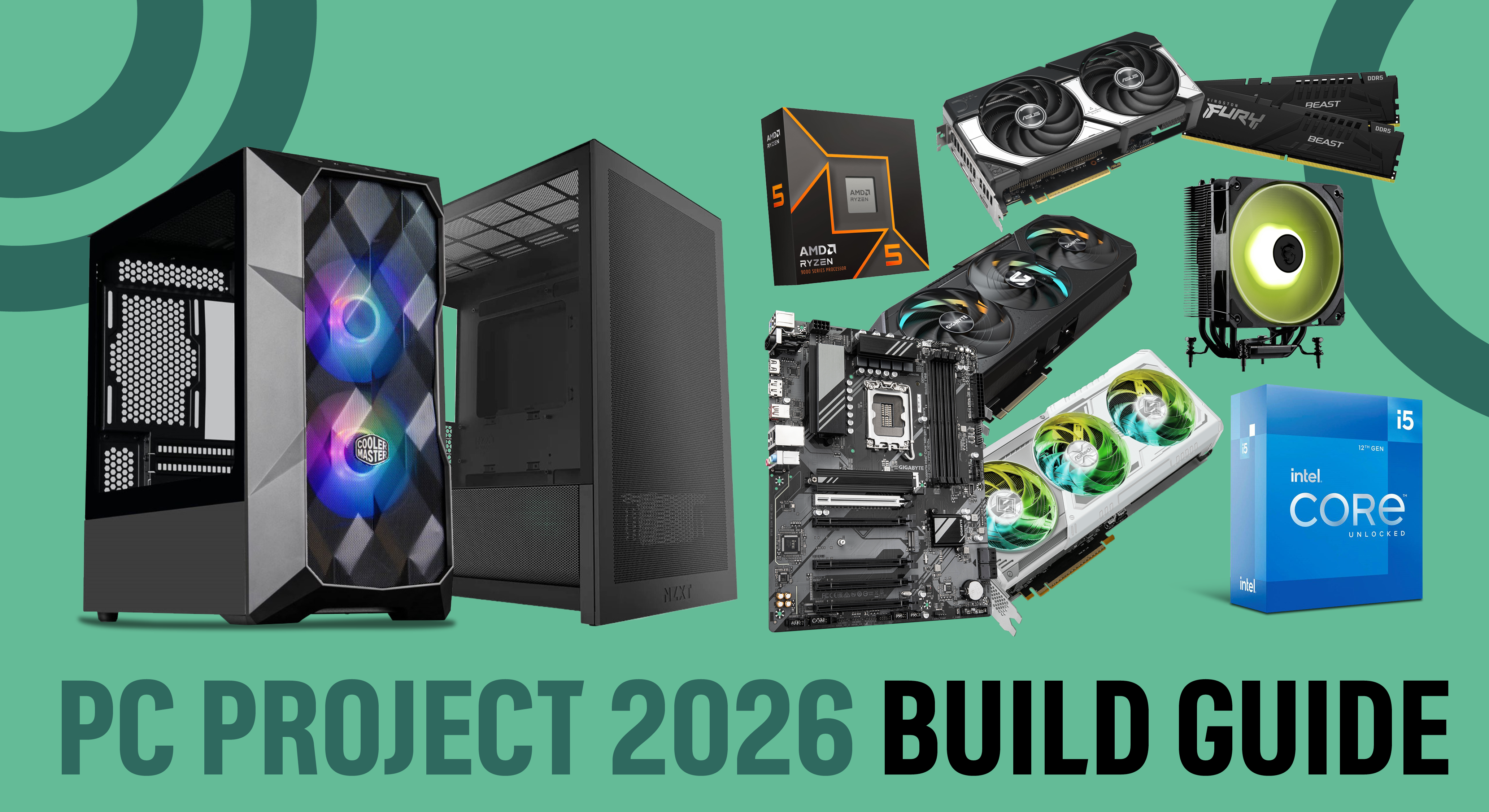


PC Project 2026 Where To Start With Building Your Own Gaming PC CCL CCL 667 BLOG BUILD GUIDE 1980x1080 . Budget DIY Gaming PC Building Guide 2025 Modern Gamer Affordable Gaming Pc Parts . Top Rated PC Parts Build Your Dream Machine 05 Most Commonly Used New Computer Parts Among PC Builders .webp. Best Gaming PC Builds For 2026 Best Gaming PC Builds For 2026.webp. Gaming PC Components Explained Alex Davis PCs The Anatomy Of A Gaming PC



Come Scegliere Le Componenti Per Assemblare Un PC Gaming Nel 2026 Scegliere Componenti Per Assemblare Pc Gaming 2026.webp. The Best Gaming PC Builds For 2026 Top Picks And Reviews Best Pc Build . Best PC Build 2025 PC Parts Explained How To Build A PC 2025 YouTube . How To Choose Parts For A Gaming PC Build How To Choose Parts For A Gaming PC 768x358 . How To Build A Gaming PC 2026 Beginner Guide How To Build A Gaming Pc

How To Build A Gaming PC In 2026 Complete Parts Guide And Assembly Gaming Pc Build 2026 Hero . Don T Kill Your PC Avoid These PC Parts In 2026 YouTube . Asus Unveils 2026 Lineup Of All In One PCs Gaming Desktops In PH ASUS Announces 2026 All In One PCs And Desktops In The Philippines Priced 696x371 . 7 Best Custom Gaming PC Parts Of 2026 Top Custom Gaming Components . Building An Affordable Gaming PC For 2026 GeekaWhat FI DP056 Antec Flux M 9060XT 1024x576

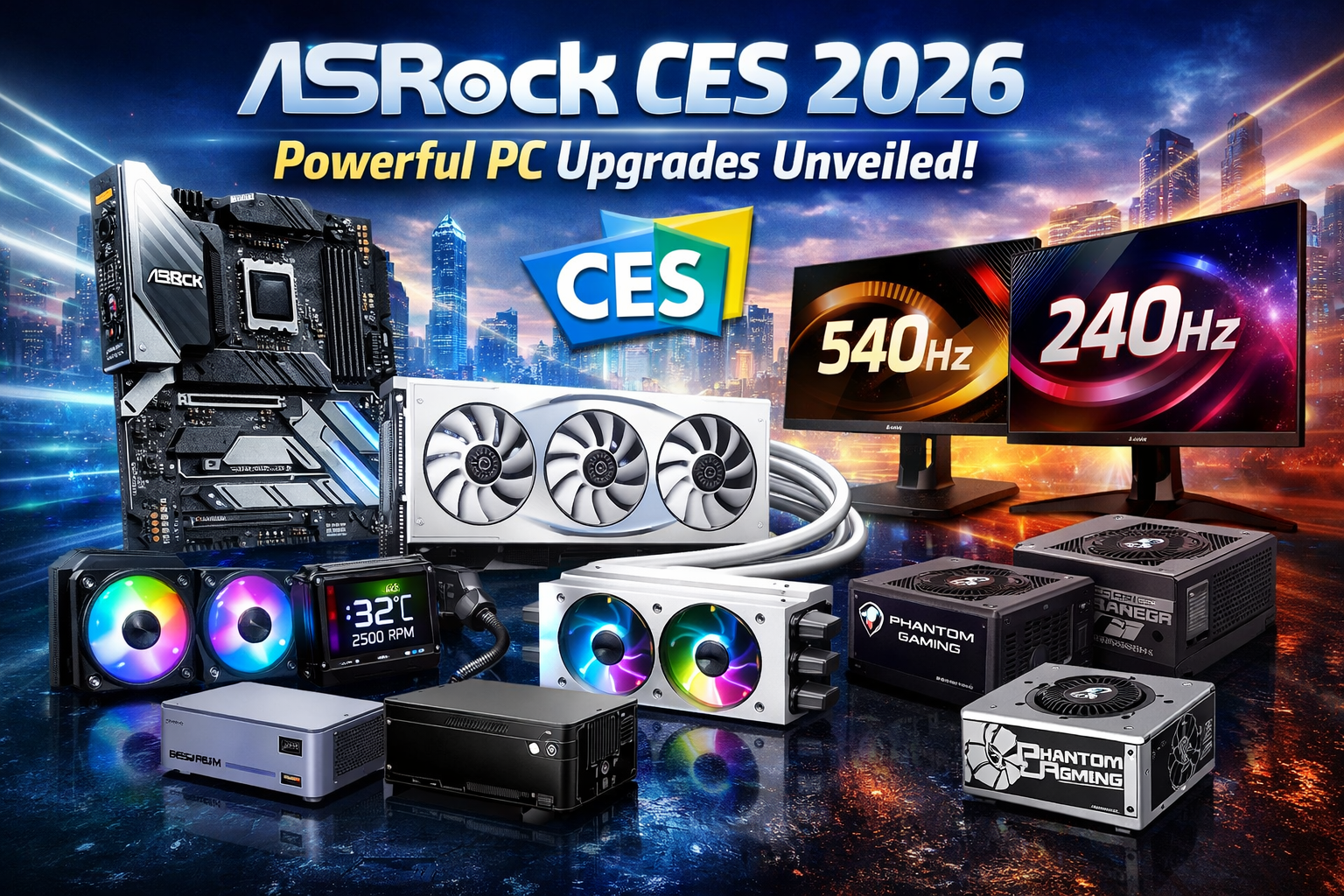
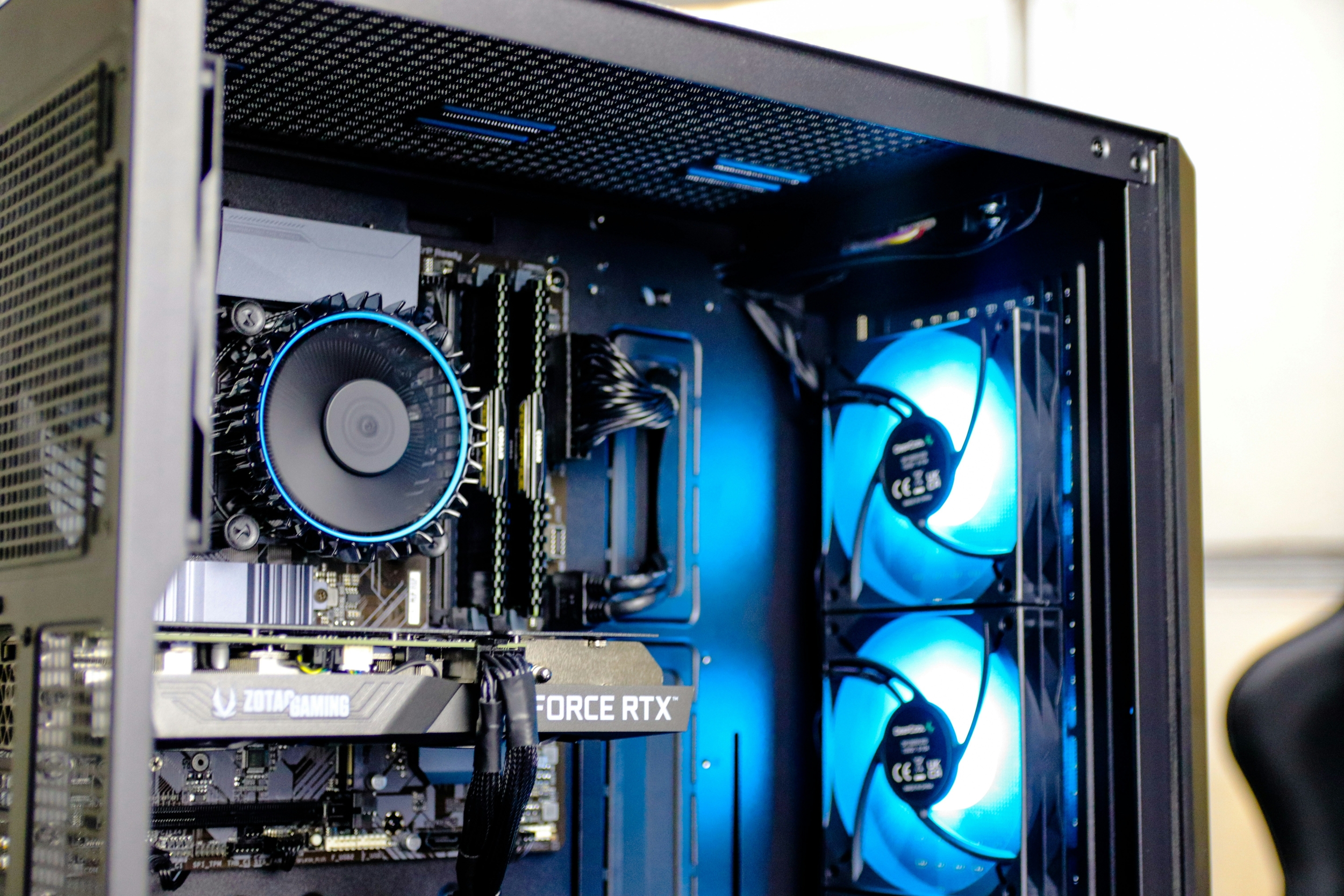

Top 10 Best Desktop Computers 2026 For Home Office And Work Lenovo Legion Tower 7i 2026 High Performance Desktop Computer With RGB Lighting Featured In. ASRock Brings Powerful And Exciting PC Upgrades To CES 2026 EnosTech Com ASRock At CES 2026 . Gaming PC Build For 2026 Best PC Parts And High Performance Tips For Gaming Pc Tower . R15 000 Gaming PC Guide 2026 R15 000 Gaming Pc Sa 2026 Banner.webp. Best Budget Gaming PC Builds For 2026 500 800 Best Budget Gaming PC Builds For 2026.webp
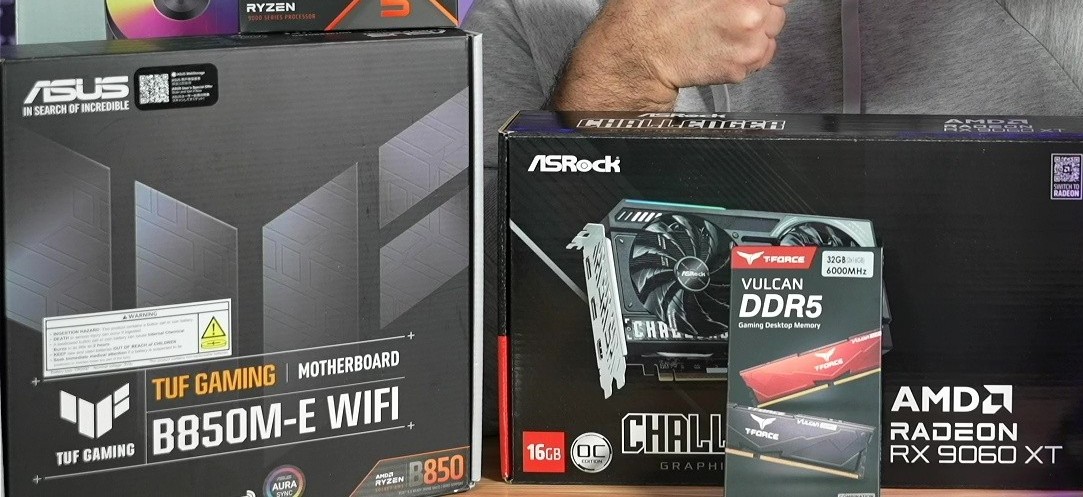

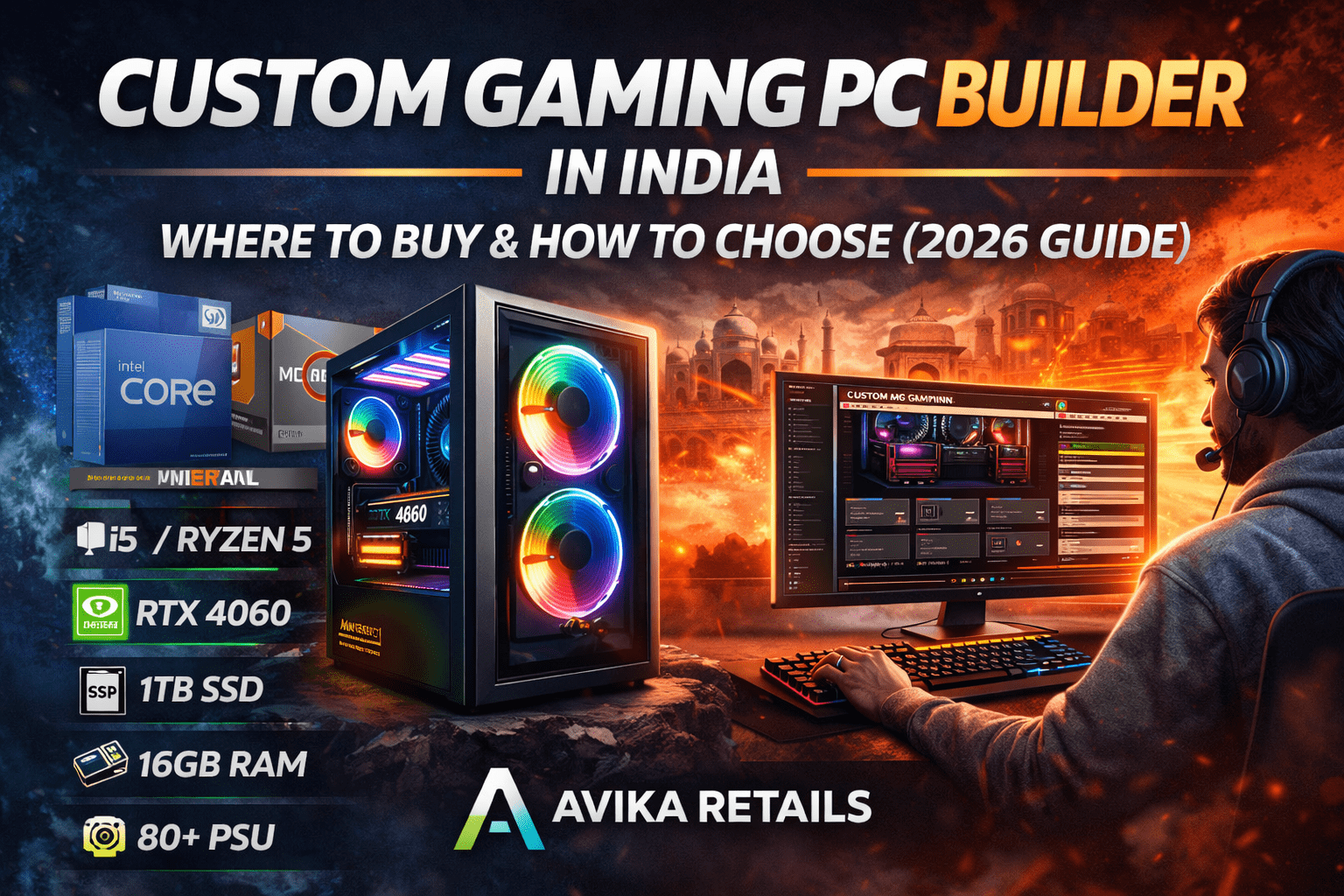

How To Build An Affordable Gaming PC In 2026 Knowledge Sharing Tech Components . Best Gaming PC For Competitive Gaming 2026 Hardware Guide The Best Gaming PC For Competitive Gaming 2026 Performance Guide.webp. Custom Gaming PC Builder In India Where To Buy How To Choose 2026 Custom Gaming PC Builder In India . The Ultimate Gaming PC Build 2026 Guide By Xidax 1 Unnamed . Parts Of A Gaming Pc At Herbert Hamilton Blog U7eHesa0

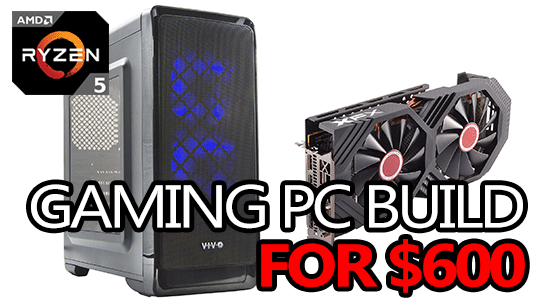



Best For Gaming PCs In 2026 Intel AMD Guide Motherboard For Gaming Pcs In 2026.webp. Best Gaming PC Build 2026 Top Picks For Every Budget PC Game Haven Gaming PC Build For 600 . 8 Gaming PC Fixes For 2026 DML 8 Gaming PC Fixes For 2026 Blog . The 5 Best Gaming PC Cases 2026 Which One Should You Buy YouTube . Best PC For 2026 For All Purposes From Coding To Gaming To Video


How To Pick PC Parts To Build A Gaming Computer Blog How To Pick Pc Parts . Best Gaming PC Specs June 2026 Expert Component Guide Featured Image S2hbx2e1 300x210 . What Are The Main Parts Of A Gaming Pc At Amber Mairinger Blog . 7 Best Gaming PCs Of 2026 Power Performance And Value Revealed Top Gaming Pcs 2026 1lmv2 . 15 High End VR Ready Gaming PC Builds For 2026 That Elevate Gaming Premium 2026 Gaming Pc Builds L8j52