Ever wonder why Steam sometimes launches your games without you clicking anything or opens itself when you least expect it? It can be a real head-scratcher when you are busy balancing work family and your limited gaming time. This comprehensive guide dives deep into the common reasons behind Steam's mysterious auto-launches and self-opening behavior providing clear actionable solutions. We'll explore everything from startup settings and background updates to corrupted files and third-party software conflicts. For busy gamers who value their precious time and want to optimize their gaming experience understanding these nuances is crucial. No more guessing why your favorite game suddenly pops up. Get ready to troubleshoot like a pro and regain control of your Steam client. This article offers practical tips to ensure your gaming sessions start when you want them to and not a moment before. Understanding these mechanisms helps you maintain peak performance and enjoy your gaming moments uninterrupted.
Related gamesWhy does Steam open games automatically on startup or in the background?
Steam often opens games automatically due to its startup settings, allowing it to launch with Windows. Additionally, background processes for game updates, file verification, or even corrupted game cache can trigger a game launch. Conflicts with third-party software like overlays or mod managers can also send unintended commands to Steam, causing a game to open.
How can I prevent Steam from launching with Windows?
To stop Steam from launching automatically, open the Steam client, go to 'Steam' > 'Settings' > 'Interface', and uncheck 'Run Steam when my computer starts'. For a more thorough approach, open Windows Task Manager (Ctrl+Shift+Esc), navigate to the 'Startup' tab, locate 'Steam Client Bootstrapper', and disable it.
What causes a specific game to open unexpectedly within Steam?
If a particular game keeps opening without command, it's often related to its update settings, corrupted game files, or an issue with its local cache. Verify the integrity of that game's files through its properties in your Steam library. Also, check the game's specific update preferences to ensure it's not set to update or verify in a way that triggers a launch.
Can corrupted Steam client files lead to games opening by themselves?
Yes, corrupted core Steam client files or a damaged download cache can definitely lead to unexpected behavior, including games opening by themselves. Steam relies on these files to manage game installations and processes. Clearing the download cache via Steam's settings ('Downloads' > 'Clear Download Cache') and running a client repair can often resolve these types of issues, making the client more stable.
How do third-party applications affect Steam's game launching?
Third-party applications, especially those with overlays (e.g., Discord, NVIDIA GeForce Experience), performance monitors, or even certain gaming peripheral software, can conflict with Steam. These conflicts might inadvertently send commands that Steam interprets as a game launch request. Troubleshooting often involves temporarily disabling these applications to isolate the one causing the issue and then adjusting its settings or updating it.
Is it possible that Steam's Remote Play or Family Sharing is causing my games to open?
Yes, Steam's Remote Play and Family Sharing features can indeed cause games to launch on your PC. If another authorized user attempts to play a game from your shared library, or if you initiate a Remote Play session from another device, Steam will launch the game on your host computer to facilitate the stream or shared access. Managing who has access and when can help prevent these specific types of unintended launches.
What should I do if my game keeps launching after I've checked all Steam settings?
If a game continues to launch after you've checked all Steam's internal settings, consider advanced troubleshooting. This includes verifying the integrity of the game's files, performing a full scan for malware, checking your Windows Task Scheduler for any related automated tasks, and as a last resort, performing a clean reinstallation of the problematic game (backing up save data first) or even the Steam client itself.
Hey there, fellow gamer! Ever settle down after a long day, finally ready to relax, only to find Steam has decided to launch one of your games all by itself? Or maybe it just pops open unexpectedly in the background while you are working? It is a common head-scratcher that can throw a wrench into your carefully planned downtime. With 87 percent of US gamers engaging regularly, often spending 10 plus hours a week, every minute of our gaming time is precious. We know you are balancing jobs, families, and life, and when you do get to game, you want it to be on your terms. This article is your ultimate guide to understanding and fixing the mystery of why Steam might be opening your games. We are going to dive into the most common culprits and arm you with practical, no-nonsense solutions so you can regain control and ensure your gaming sessions start when YOU want them to.
You are not alone in this. Many gamers, especially those in the average age bracket of 36, appreciate seamless experiences. Whether you are unwinding with a cozy game, building skills in an esports title, or connecting with friends in social gaming trends this month, unexpected interruptions are frustrating. This guide will help you optimize your Steam client, troubleshoot those annoying auto-launches, and get back to enjoying your games without the guesswork. Let's get to the bottom of why Steam opens my games.
Why does Steam open my games without me clicking anything?
Steam can launch games unexpectedly due to several factors, often related to background processes, startup settings, or even third-party software interactions. One primary reason is Steam's own auto-start feature combined with game update settings. If Steam is configured to launch with Windows and has a game set to update automatically, it might trigger a brief launch to verify files or apply a small patch. Another common cause is corrupted game files or cache, which can confuse Steam into attempting a repair that manifests as a launch. Sometimes, external programs or even malware might send commands that Steam misinterprets as a launch request.
How can I stop Steam from launching automatically when I start my computer?
Preventing Steam from launching automatically is one of the quickest ways to curb unexpected game openings right after boot-up. Many gamers find this particularly annoying, as it can slow down system startup and consume resources. Here is how you do it:
- Open the Steam client.
- Click on Steam in the top left corner, then select Settings.
- Navigate to the Interface tab.
- Look for the option 'Run Steam when my computer starts' and uncheck the box.
- Click OK to save your changes.
Additionally, you can check your Windows Task Manager. Press Ctrl Shift Esc, go to the Startup tab, find Steam Client Bootstrapper, and disable it. This dual approach ensures Steam will not automatically start with your operating system, giving you more control over when it launches.
What causes Steam to open games in the background?
Games opening in the background often relate to Steam's robust update system, specific game configurations, or even remote play features. Steam is designed to keep your games current, which means it might download and apply updates while you are doing other tasks. Sometimes, a game might momentarily launch to finalize an update or verify its integrity before closing again. Another potential culprit is Steam's Remote Play or Family Sharing features; if another authorized user is attempting to stream or play your game, it might trigger a background launch. Corrupted game installs can also lead to repeated attempts by Steam to open and verify the game files in the background.
Is it normal for Steam to update games frequently and sometimes launch them?
Yes, frequent game updates are a normal part of the modern gaming landscape, but actual game launches during updates are less common, though not entirely unheard of. Game developers regularly push out patches for bug fixes, new content, and performance optimizations. Steam's default setting is to keep your games updated. While most updates happen silently in the background, very occasionally, a larger update or a specific game's update process might require a brief launch to install or verify critical files. This can be more noticeable for games with complex file structures or those undergoing significant seasonal content changes, a common trend in social and competitive titles this month. If it happens too often, it warrants investigation.
How do third-party applications interact with Steam and cause auto-launch issues?
Third-party applications can definitely cause Steam to misbehave, leading to unexpected game launches. Overlays from software like Discord, NVIDIA GeForce Experience, or even antivirus programs can sometimes conflict with Steam's processes. Performance monitoring tools, certain mod managers, or even some input device drivers might send commands that Steam interprets as a game launch. For example, a corrupt profile in a gaming peripheral's software could trigger a specific game launch command. It's a tricky area, and isolating the conflicting software usually involves temporarily disabling other applications to see if the issue resolves itself. Busy gamers often use these tools, so understanding their potential impact is key to a smooth experience.
What are some advanced troubleshooting steps for persistent Steam auto-opening problems?
If the basic fixes haven't worked, it's time to dig deeper. Persistent auto-opening problems require more thorough investigation to pinpoint the root cause.
Here are some advanced steps:
- Verify Integrity of Game Files: This is a crucial first step for any game-specific issue. Right-click the game in your Steam Library, go to Properties, then Local Files, and click 'Verify integrity of game files'. Steam will check for and repair any corrupted or missing files.
- Clear Steam Download Cache: A corrupted download cache can cause all sorts of strange behavior. In Steam, go to Steam Settings Downloads and click 'Clear Download Cache'. You will need to log back into Steam afterward.
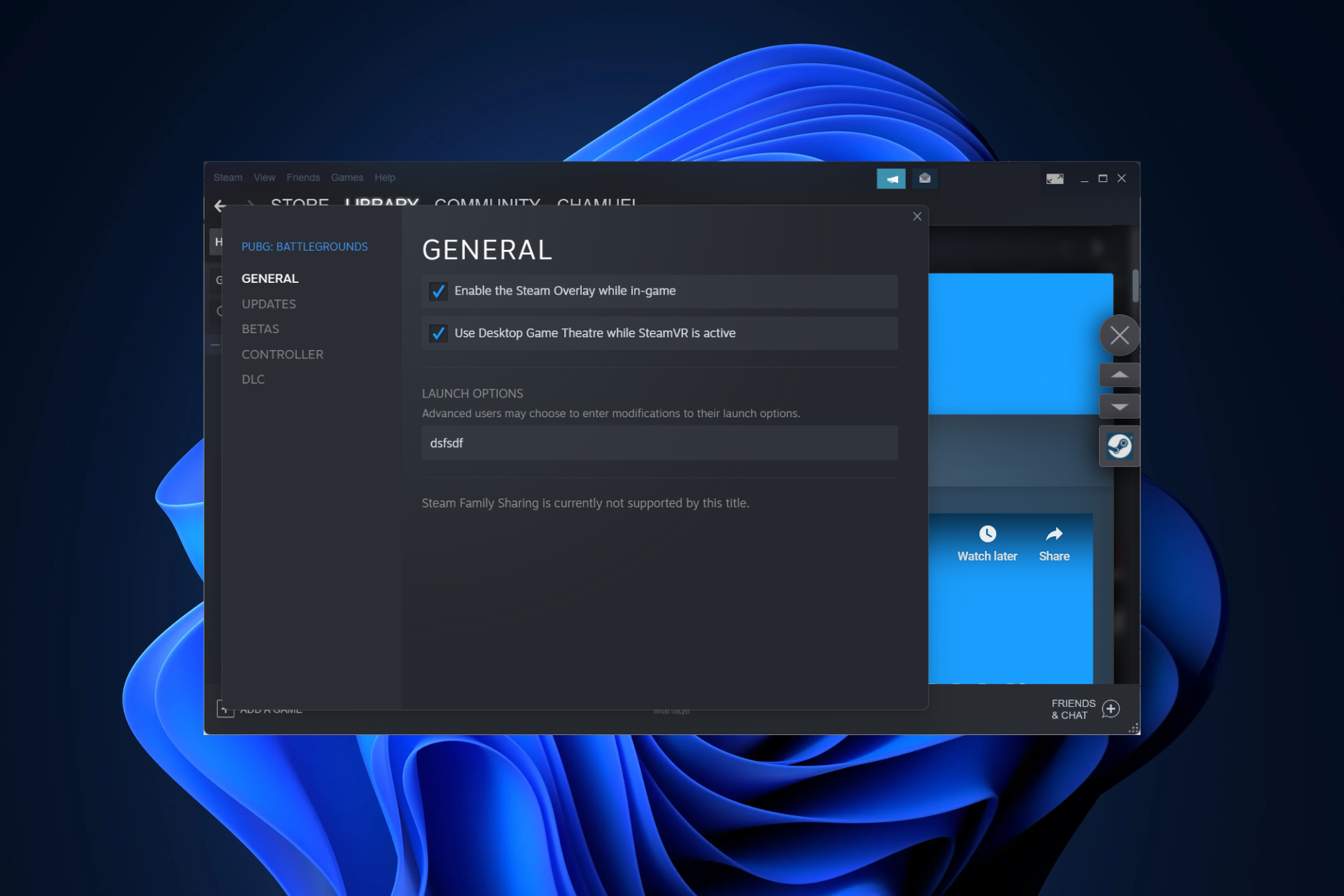
- Disable Steam Overlay: The Steam Overlay, while useful, can sometimes cause conflicts. Go to Steam Settings In-Game and uncheck 'Enable the Steam Overlay while In-Game'. You can also disable it per game in the game's properties.
- Run Steam as Administrator: Occasionally, permission issues can cause problems. Try closing Steam completely and then right-click its shortcut and select 'Run as administrator'.
- Check for Malware/Viruses: Malicious software can interfere with your applications. Run a full scan with reputable antivirus and anti-malware software to rule out this possibility.
- Reinstall Steam (Last Resort): If all else fails, a clean reinstallation of Steam might be necessary. Make sure to back up your game folders (steamapps common) to avoid re-downloading all your games. Uninstall Steam, delete any remaining files in the installation directory, then reinstall from the official website.
Can corrupted Steam files or cache lead to unexpected game launches?
Absolutely, corrupted Steam files or a problematic download cache are very common culprits behind unexpected game launches and other client oddities. Steam uses its cache to store temporary data, download files, and manage game installations. If this cache becomes corrupted, Steam might struggle to correctly identify game statuses, leading it to repeatedly attempt to launch a game, verify its files, or apply updates in an endless loop. Similarly, if core Steam client files are damaged, the program's internal logic can become confused, triggering actions like an unwanted game startup. Regularly clearing your download cache and verifying game file integrity can often resolve these issues swiftly, optimizing your gaming rig for performance and reliability.
How do I manage Steam game updates to prevent unwanted openings?
Managing game updates effectively is key to preventing Steam from opening games without your explicit command. Steam offers several options to control how and when your games update:
- Global Download Restrictions: Go to Steam Settings Downloads. Here, you can set a 'Download Restriction' window, allowing Steam to only update during specific hours. You can also limit bandwidth or set it to 'Do not automatically start downloads when I launch a game'.
- Per-Game Update Settings: For specific games, right-click the game in your library, go to Properties, then Updates. Under 'Automatic Updates', you can choose:
- 'Always keep this game updated' (default)
- 'Only update this game when I launch it' (recommended for less frequent players)
- 'High Priority - Always auto-update this game before others' (for your most-played titles)
- Disable Background Downloads: If you want maximum control, ensure 'Allow downloads during gameplay' is unchecked in the Downloads settings, and actively pause any background downloads from the Downloads manager.
By adjusting these settings, you can ensure games only update and potentially launch when you are ready for them, fitting perfectly into your schedule of balancing gaming with life's other demands.
What about Steam's family sharing or remote play features causing unexpected launches?
Steam's Family Sharing and Remote Play features, while incredibly convenient for social gaming, can sometimes lead to unexpected game launches if not properly managed. With Family Sharing, if another authorized user attempts to play a game from your library, Steam might initiate a launch on your PC to facilitate the sharing process, especially if you are online. For Remote Play, if you or someone you've authorized attempts to stream a game from your PC to another device, Steam will naturally launch that game on your host machine. Ensuring you are aware of who has access to your library and when they might be attempting to play or stream is crucial. You can manage authorized devices and users through your Steam settings under the 'Family' and 'Remote Play' sections, allowing you to revoke access if needed and prevent these types of unintended launches.
Are there specific game settings within Steam that cause auto-launch?
While Steam itself has settings for auto-launch, individual game settings within Steam typically do not directly cause a game to auto-launch the client. However, certain in-game configurations or external launch options might influence how a game interacts with Steam upon startup or during updates. For instance, if a game has a specific 'always on' online component that requires constant verification, or if you have set particular launch options (e.g., -autostart) for a game, these might contribute to unexpected activity. It's less about the game initiating Steam and more about how Steam's client responds to the game's state or commands. Always check a game's specific properties and launch options within Steam if you suspect a particular title is causing more trouble than others, especially with new releases or popular social games that often have complex integrations.
What if a game keeps launching even after I've disabled auto-updates and startup?
If a specific game continues to launch despite disabling global auto-updates and Steam's startup, the issue likely lies deeper, possibly with corrupted game files, a persistent third-party conflict, or even a system-level scheduled task. First, perform a thorough 'Verify integrity of game files' for that specific title. Next, temporarily uninstall any recent software, especially gaming utilities or mod managers, to rule out conflicts. Check your Windows Task Scheduler for any tasks related to the game that might be configured to run automatically. Finally, consider a clean reinstallation of just that problematic game, ensuring all residual files are removed before reinstalling.
Phew! We've covered a lot of ground today on why Steam opens my games and how to take back control. From basic startup settings to advanced troubleshooting and understanding those pesky third-party conflicts, you now have a toolkit to tackle almost any unexpected Steam behavior. For us gamers who juggle so much, having a smooth, predictable gaming experience isn't a luxury; it's a necessity for relaxation and fun. Remember, the average gamer today values performance optimization and making the most of their limited play time. By proactively managing your Steam settings and understanding its processes, you can ensure your virtual adventures begin exactly when you intend them to, free from frustrating interruptions. What's your biggest gaming challenge when it comes to client issues or managing your game library? Comment below and let's keep the conversation going!
FAQ Section
How do I stop Steam from opening when Windows starts?
To stop Steam from launching with Windows, open Steam Settings, go to the Interface tab, and uncheck 'Run Steam when my computer starts'. You can also disable 'Steam Client Bootstrapper' in Windows Task Manager's Startup tab.
Why does Steam keep launching games I haven't clicked?
Steam might launch games due to background updates, corrupted game files, or conflicts with third-party software. Verify game file integrity and clear the download cache as initial steps.
Can Steam's update process cause a game to open?
While most updates are silent, some significant game updates or verification processes might cause a game to briefly launch to finalize the installation or check files before closing.
What is Steam Client Bootstrapper and why is it running?
Steam Client Bootstrapper is a core Steam process that helps launch and manage the Steam client. It runs when Steam is active, ensuring proper functionality, and can be disabled from starting with Windows.
How can I identify which program is conflicting with Steam?
To identify conflicts, try temporarily disabling recently installed or gaming-related third-party applications (like overlays or mod managers) one by one and observe if Steam's behavior normalizes.
Steam auto-launch reasons, Troubleshooting Steam startup, Fixing unexpected game launches, Steam background processes, Preventing Steam from opening games, Steam client issues, Game launch control.
35

Steam Games Won T Open This Simple Fix Works 2026 Fix Steam Tools . Why Does My Steam Game Not Open At Blake Sadlier Blog . Steam Doesn T Open Five Quick And Easy Ways To Fix It EarlyGame Steam Wont Open Fix . Why Does My Steam Game Not Open At Blake Sadlier Blog How To Fix Steam Wont Open . Steam March 2026 Client Update Adds Hardware Specs To User Reviews Steam Client Mar 2026


Steam Won T Open Fix With 6 Proven Fixes Fix Steam Games Not Launching . The Most Played Games On Steam For 2026 So Far Cheat Code Central Most Played Games Steam 2026 2048x1167 . 5 Game Steam Yang Patut Kamu Mainkan Di Bulan Januari 2026 . 2026 Steam Ndirimleri Ve Etkinlik Takvimi2026 N N Lk Yar S Nda Steam 1 780x470 . The 15 Best Strategy Games To Buy During The Steam Spring Sale 2026 The 15 Best Strategy Games To Buy During The Steam Spring Sale


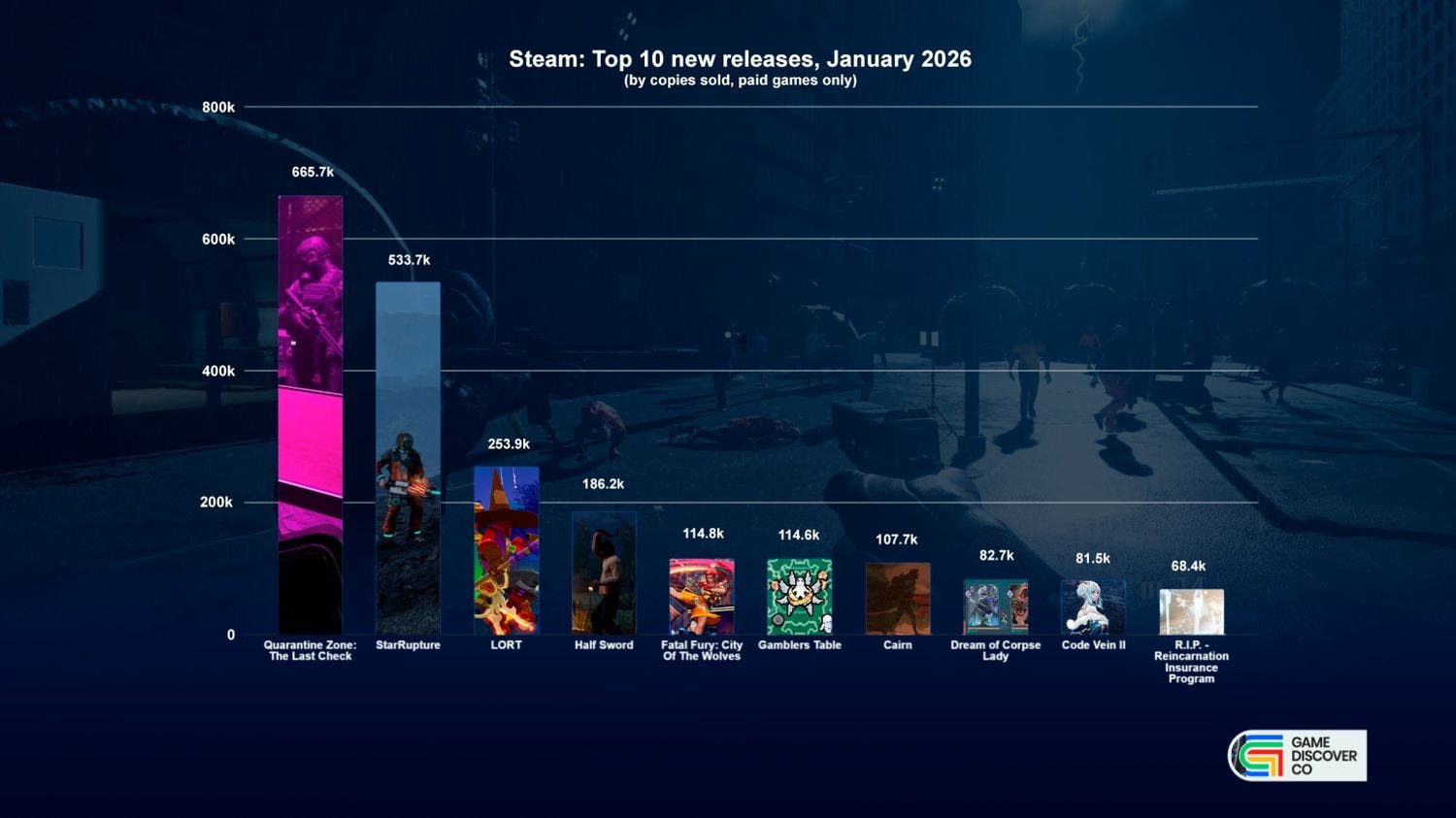
2026 N N Steam Ndirim Tarihleri Belli Oldu Tamindir Steam 2026 Indirim Takvimi . Valve Just Changed The Steam Autumn Sale 2026 Dates Full Schedule Featured Steam Events 2026 Scheduled Autumn Dates Changed. All 2026 Steam Fest Dates You Should Watch Out For Gamer Org All 2026 Steam Fest Dates You Should Watch Out For . Why Should I Sync My Steam Wishlist With Fanatical Fanatical Blog Sync Your Steam Wishlist With Fanatical BLOG 2 . January 2026 S Top Selling New Steam Games Revealed 08418405 04a2 47eb B48b 1500x843



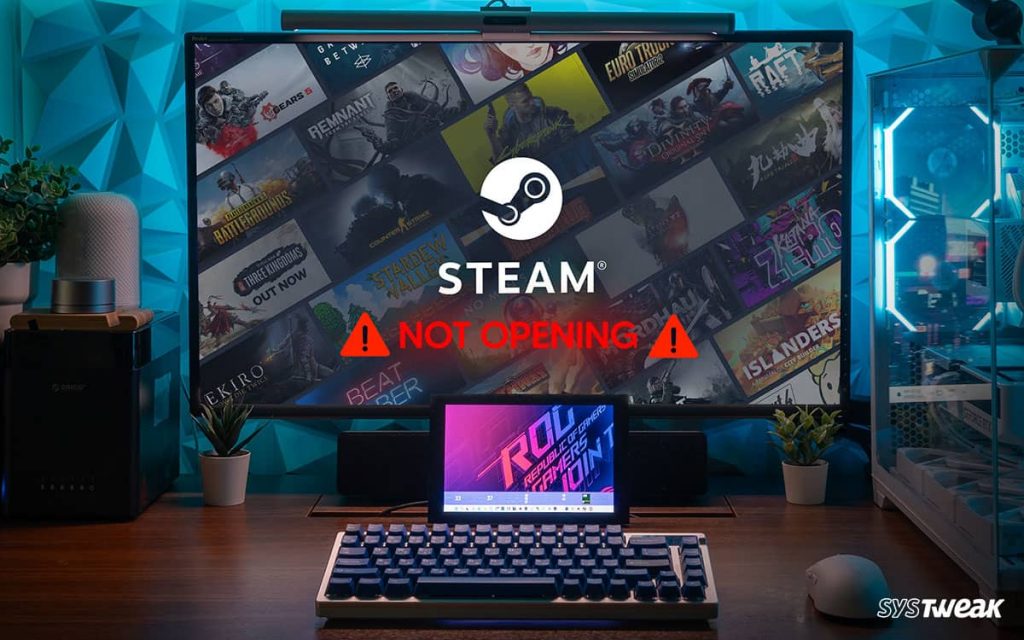
Steam Won T Open Here S What You Can Do To Fix It Intro 1757585558 . Valve Responds To Steam Machine Delay Fears Confirms 2026 Release Window Steam Machine Release Date Delay . How To Fix Steam Game That Won T Download Or Start YouTube . Best Free Games To Claim Right Now 2026 Steam PlayStation Xbox More May 2026 Free Games Feature Image . 10 Ways To Fix Steam Not Opening On Windows Steam Wont Open Issue 1024x640

:quality(30):format(webp):focal(0.5x0.5:0.5x0.5)/jogja/foto/bank/originals/20260423-Steam-Weekend-Deal-April-2026.jpg)

Why Does My Steam Game Not Open At Blake Sadlier Blog . Midweek Deal Steam April 2026 Hadir Dengan Berbagai Game Mabar Menarik 20260423 Steam Weekend Deal April 2026 . Valve Has Revealed All Steam Sale Event Dates For 2026 Steam Tererowa Game Rant . Why Won T My Steam Game Close At Terrance Mitchell Blog Steam Wont Open 1 . Steam Sales 2026 Here S The Schedule For The First Half Of The Year 1824cr953
Steam Not Opening Here Are Possible Solutions Steam Wont Open . Steam Sale 2026 Key Dates You Need To Know LevelUpTalk Steam Sale Schedule 2026 08 27 2025 7c35051e 2c22 4093 96f1. When Is The Next Steam Sale May 2026 Update Countdown. Why Do Steam Games Open On Wrong Monitor And How To Change It In 2026 . Steam Game Launches Then Closes 7 Ways To Fix It Steam W11


Steam 2026 Steam. Why Does My Steam Game Not Open At Blake Sadlier Blog . 17 Game Gratis Di Steam 2026 Seru Bikin Kamu Ketagihan Jurnal Ngawi 3471022749 . Nuova Steam Machine 2026 Giochi Compatibili E Data Di Nuova Steam Machine 2026.webp. Kalender Lengkap Event Steam 2026 Diskon Besar Dan Festival Game Favorit Steam Events Q82 W2560 H 27565.webp